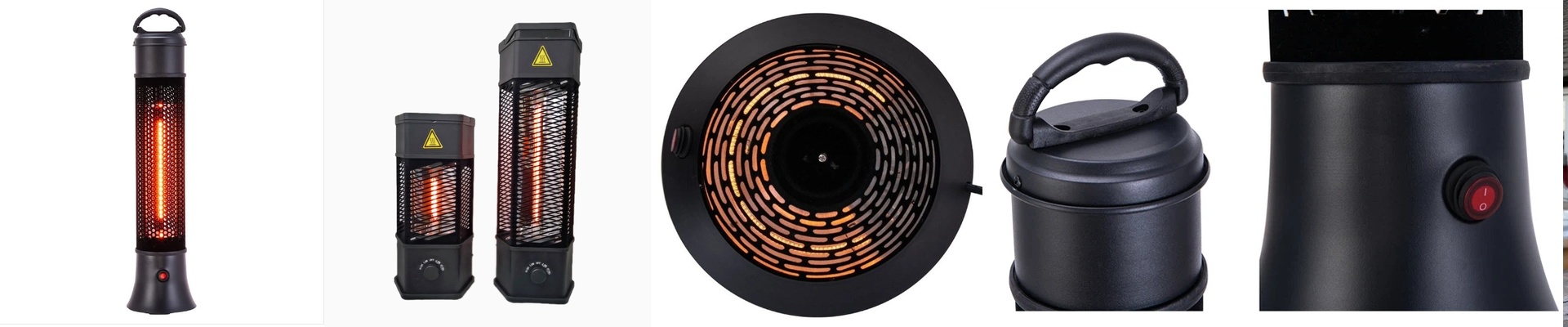
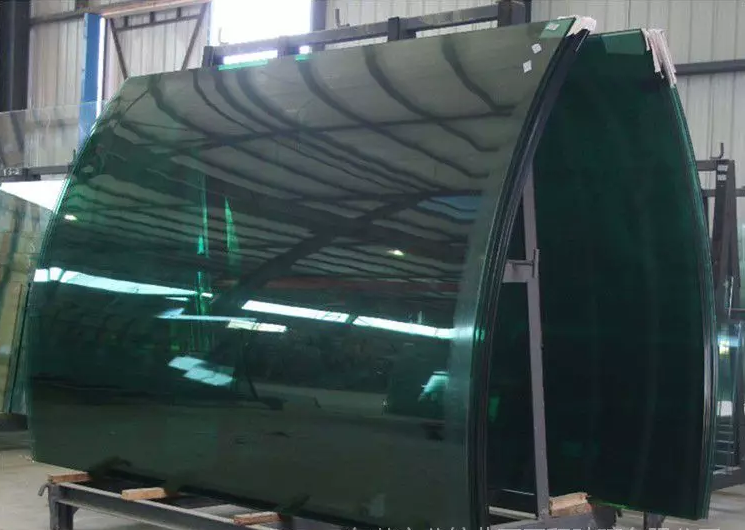
Buying a heating lamp based on a datasheet is basically a gamble. You can pick out a 230V quartz tube with the perfect wattage and length on paper, but the real world doesn’t care about the datasheet. If your reflector angle is slightly off or there’s a blockage in the airflow, that lamp is going to burn out way too soon. We see it happen all the time. Engineers call us to order a replacement part when the real issue is that their whole system is thermally out of whack. Here is the thing about quartz heating: it’s all about heat density. Whether you’re using shortwave halogen or coated infrared tubes, you want that energy hitting the workpiece hard. But there’s a catch. The more energy you pump out, the more stress you put on the quartz envelope and the electrical connectors. If your wiring can’t handle the draw, you’ll melt your terminals long before the lamp actually wears out.It’s a mess. That’s why just swapping in a new part rarely fixes a recurring problem. We like to look at the whole footprint. Is the tube bowing under its own weight? Are the mounting clips creating accidental hot spots? If you’ve got uneven heating across a sheet of glass, a new lamp isn’t the answer. You’re probably dealing with bad radiation shielding or a power supply that’s spiking the voltage. We’d rather just get on your shop floor and see it for ourselves. We run a thermal profile and measure the actual surface temperature of the glass against what the lamp is putting out. That tells us if you’re just wasting electricity or if the core isn’t getting enough heat. We aren’t just here to sell you a tube. We’ll help you tweak the distance, the timing, and the voltage until everything feels balanced. It’s the only way to stop that frustrating cycle of replacing the same part every three months.