Stop Fighting Your Fiberglass Heaters
Getting the thermal profile just right in fiberglass annealing is a delicate dance. You need to kill those internal stresses, but if you push too hard, you ruin the structural integrity of the glass. It’s a balancing act. But here is the real headache: upgrading your heating elements. Usually, the problem isn’t the power or the wattage. It’s the actual hardware.
The “Legacy” Nightmare
Let’s be honest. Most shops are running gear that’s seen better days. You’ve probably got heaters with weird spiral ends or some proprietary connectors that haven’t been made in a decade. Trying to fit a modern component into that setup usually feels like trying to put a square peg in a round hole. We got tired of seeing people rebuild their entire mounting brackets just to get a steady heat output. So, we built our interfaces to just work. Whether you’re dealing with standard screw-ins or some strange, irregular port, we make sure the upgrade is painless.
Get Back to Work Faster
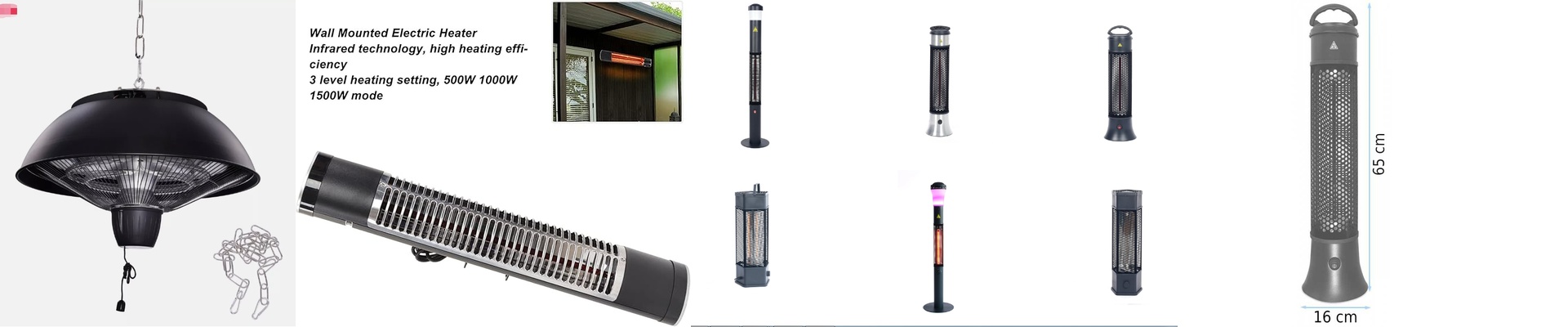
We obsess over the “footprint.” When we say “drop-in replacement,” we mean it. The new heater should slide right into your existing housing. No drilling. No welding. No hunting for a custom adapter at 2 AM. Our universal design handles all those annoying terminal geometries. You just wire it up, lock it in, and start your cycle. It’s that simple.
A Quick Word of Caution
Now, there is one thing to watch out for. High-density elements are great because they ramp up the heat fast. But that extra power puts a lot more stress on your electrical contacts. If you’re jumping to a higher wattage but keeping your old wiring,check your gauge. Thin wires will fry under the new load. Also, make sure your power supply can handle the peak current during that first heat-up phase, or you’ll be spending your afternoon resetting breakers. The goal here is to get rid of the friction. You want the performance of new tech without the nightmare of a full machine overhaul. Just swap the part and get back to making things.