Squeezing High-Power IR Heating into a Mobile Glass Kit
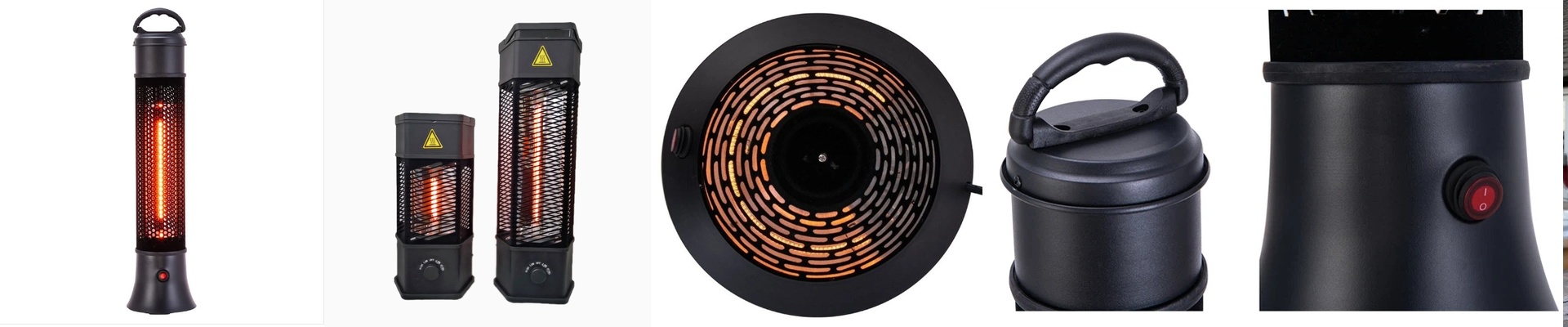
When you’re trying to fit a professional annealing system into a mobile repair bracket, you’re basically fighting for every single millimeter. You can’t just throw a standard heater in there and hope for the best. You need serious power, but you’ve got almost no room to work with. Our fix? Shortwave infrared lamps. They pack a ton of thermal energy into a tiny footprint.
Dealing with Power and Heat
Here’s the thing: when you’re working out of a van or using a portable power supply, your voltage is usually capped. You can’t just pull unlimited power. To get the glass to the right temperature without blowing a fuse, we use lamps with a very specific wattage-to-length ratio. We wrap them in quartz envelopes so they don’t crack under the thermal shock. Because it’s shortwave radiation, the heat sinks into the glass almost instantly. You’re talking seconds to hit your target temperature, not minutes. It’s fast. Really fast.
Making it Small
Space is the real enemy here. To keep the bracket light and lean, we use slim housings and compact connectors. The beauty of these shortwave emitters is that you can get them closer to the glass without the whole housing melting—as long as you’ve got a decent heat shield in place. We ditched the bulky heaters you see in shops. Instead, we use precision-cut tubes that fit the frame perfectly. No wasted heat, no guesswork. The energy goes exactly where it needs to: right on that crack or bond line.
The Trade-offs
Now, there is a catch. When you cram that much power into a small box, you run into “heat soak.” The lamps heat the glass quickly, but they also beat up the bracket. If you don’t manage the ambient temperature, you’re asking for trouble. You’ve got to make sure your cooling fans or heat sinks can handle the waste heat coming off the ends of the lamps. If the housing gets too hot, the lamps burn out early or the bracket starts to warp. To stop that from happening, we wire everything with high-temp silicone cabling. It keeps the insulation from melting when things get intense.