Stopping Glass from Cracking: The Secret is Rapid-Response IR
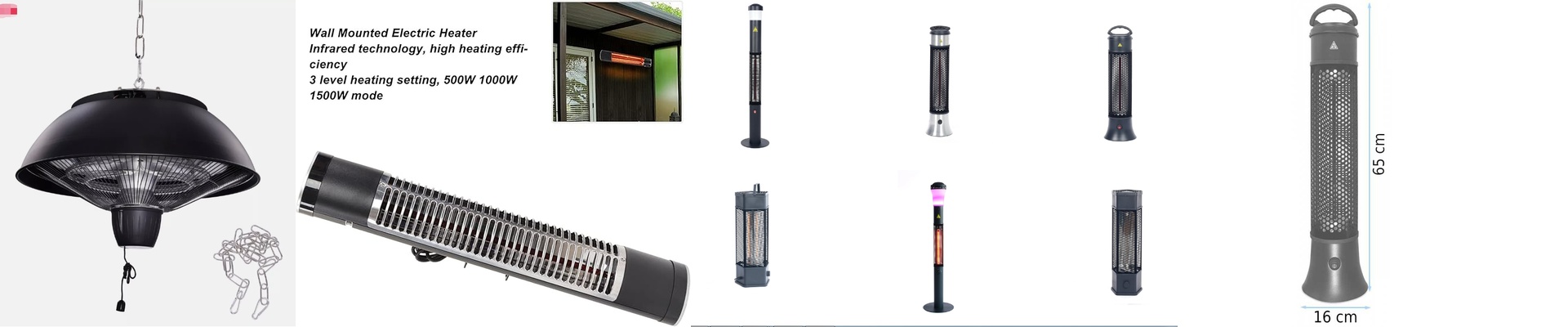
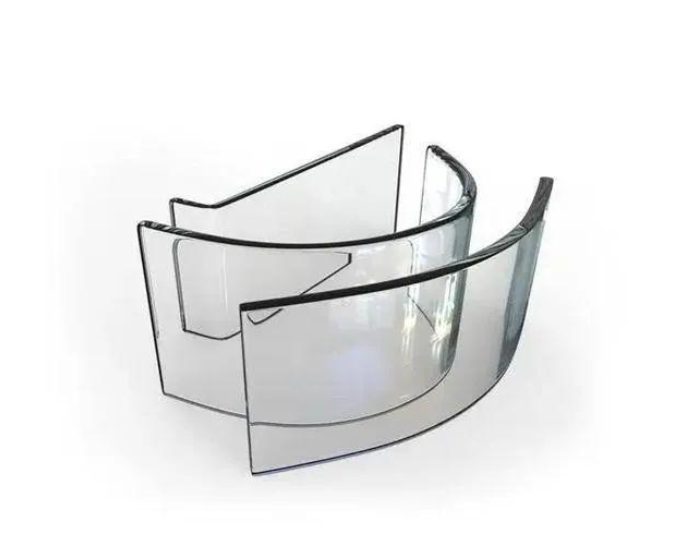
Anyone who’s worked with glass knows the nightmare of thermal shock. You’re moving too fast, the temperature jumps, and—snap—there goes your piece. It happens because the surface heats up or cools down way faster than the inside can keep up with. That’s why we use shortwave infrared (SWIR) lamps. Instead of just blowing hot air around like a convection oven, SWIR goes right through the surface and puts the energy exactly where it needs to be.
Why “Instant” Matters
To keep glass from shattering, you have to control the heat flux in real-time. Not “mostly” in real-time.Exactlyin real-time. We use shortwave quartz lamps because they don’t hold onto heat. When you dial back the voltage with a thyristor controller, the heat stops. Period. You aren’t waiting for a heavy heating element to slowly cool down; the photons just stop hitting the glass. It gives you a level of control that feels almost like a dimmer switch for heat. You can keep the glass right on the edge of its stress limit during tempering without accidentally crossing the line.
The Hardware Headache
Now, here is the catch. High-wattage IR tubes give you the punch you need for flash tempering, but they run hot. I meanreallyhot. When you’re pushing 2kW to 5kW through a small quartz tube, things get intense. If your reflectors are slightly off or your airflow is lazy, you’ll fry the lamp ends or warp your housing. Don’t skimp on the cooling fans. If the air around those lamp sockets stays stagnant, your filaments are going to burn out way sooner than they should.
Real Talk: Keeping it Running on the Floor
If your power signal is messy, your glass is doomed. Even a tiny flicker in the grid can cause a temperature spike that ruins an entire batch. Stick with dedicated SCR controllers. They keep the power ramp smooth and linear, which is exactly what you want. And a pro tip for when you’re swapping lamps:**watch your connection points.**If the connectors are pitted or dirty, they create resistance. That leads to hotspots, and eventually, you’ll see your wiring start to melt. One last thing—keep those quartz tubes spotless. A single fingerprint is enough to create a hot spot. That’s all it takes to crack the tube the moment it hits full heat.