Getting Your Glass Heating Right: It’s All About the Wavelength
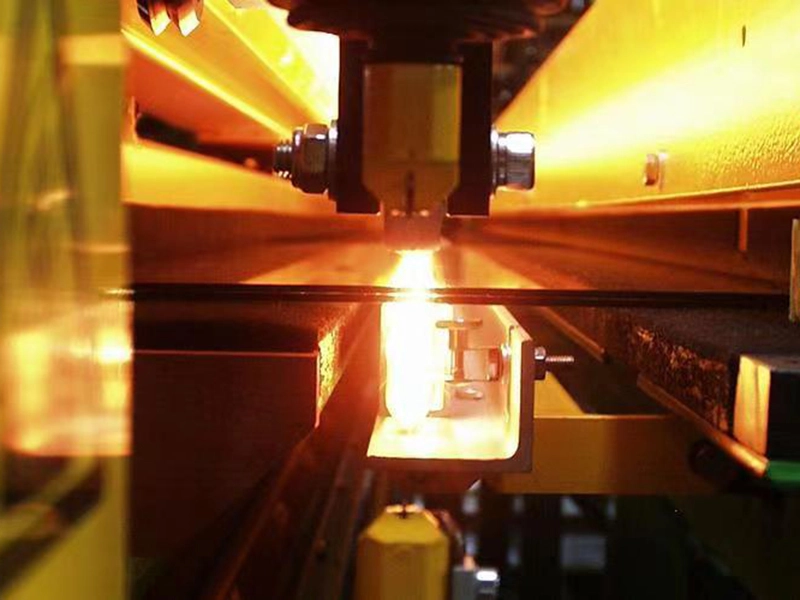
Most infrared tubes are just… generic. They blast heat, but a lot of that energy never actually makes it into the glass. It just bounces off the surface. It’s a waste of electricity and a waste of time. But here’s the thing: when you add chemical dopants or additives to your glass, you’re essentially changing how that material “drinks” heat. If the lamp isn’t speaking the same language as the glass, you’re fighting an uphill battle.
Stop pushing wattage, start shifting wavelengths
A lot of people try to fix heating issues by just cranking up the power. That’s a mistake. Instead, we focus on the wavelength. By tweaking the filament and the quartz coating, we make sure the lamp’s peak emission hits the exact spot where your glass additives are most absorbent. Say your additive loves 2.5 microns. We build the tube to peak right there. Suddenly, the heat actually penetrates the material. You get to your target temperature faster, and your power bill stays lower. It just works better.
The honest truth about custom tubes
Now, there’s a trade-off. When you get this specific with coatings and gas fills, you’re dealing with a more sensitive piece of equipment. A highly tuned shortwave tube can burn out faster than a basic medium-wave lamp if the voltage is off. You can’t just plug it in and forget it. You’ll need to make sure your PID controllers are dialed in for the specific ramp-up speed of the tube. If you don’t, you risk thermal shock, and nobody wants to deal with shattered glass.
Why this actually matters for your production
This isn’t just for lab coats and researchers—though they love it. It’s for anyone tired of seeing their glass crack or cure unevenly because only the “skin” is getting hot. By targeting that absorption peak, you getvolumetric heating. The heat starts from the inside out, not just the surface. No more agonizingly slow heating cycles. No more babying the material. You just get through your production faster, with way less stress.