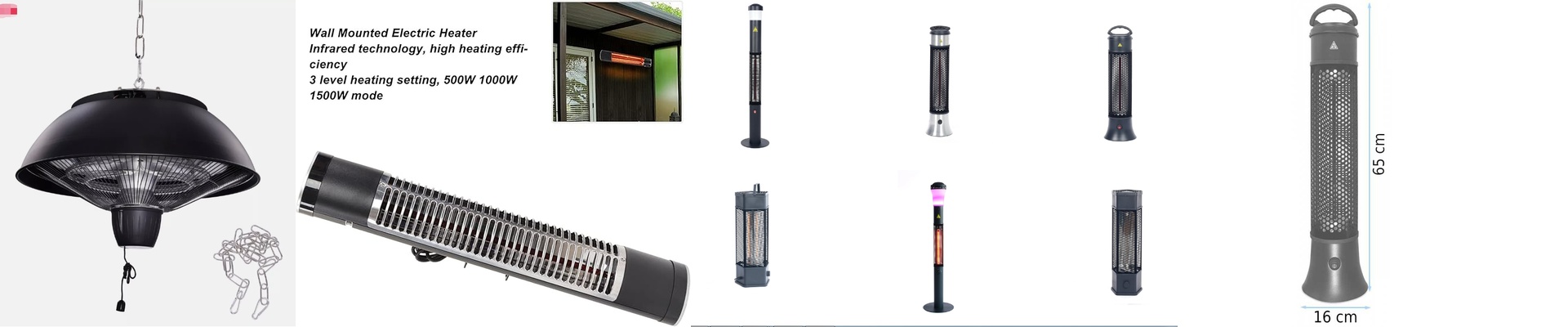
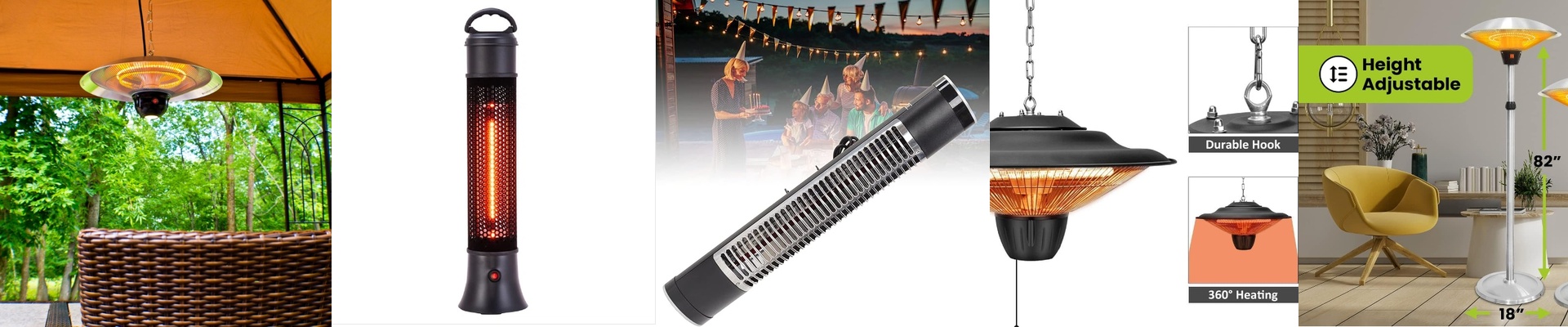
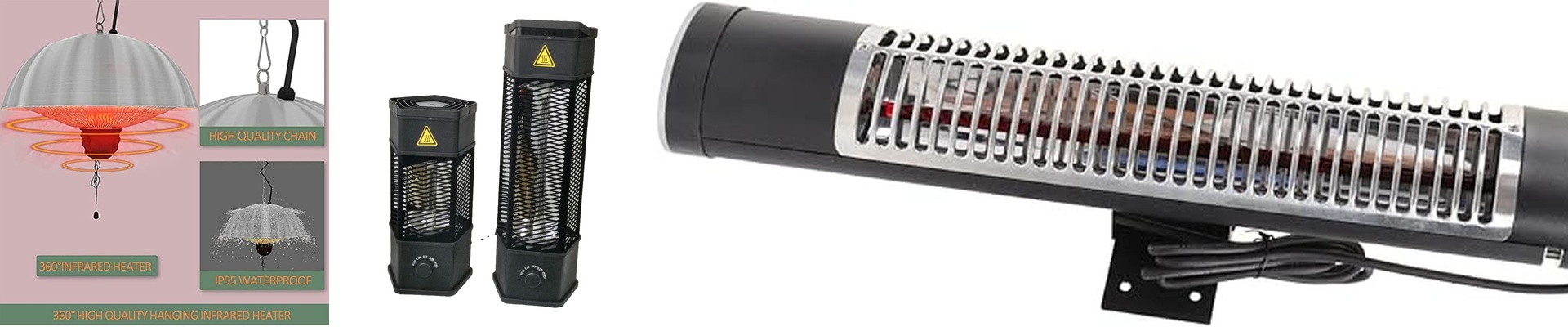
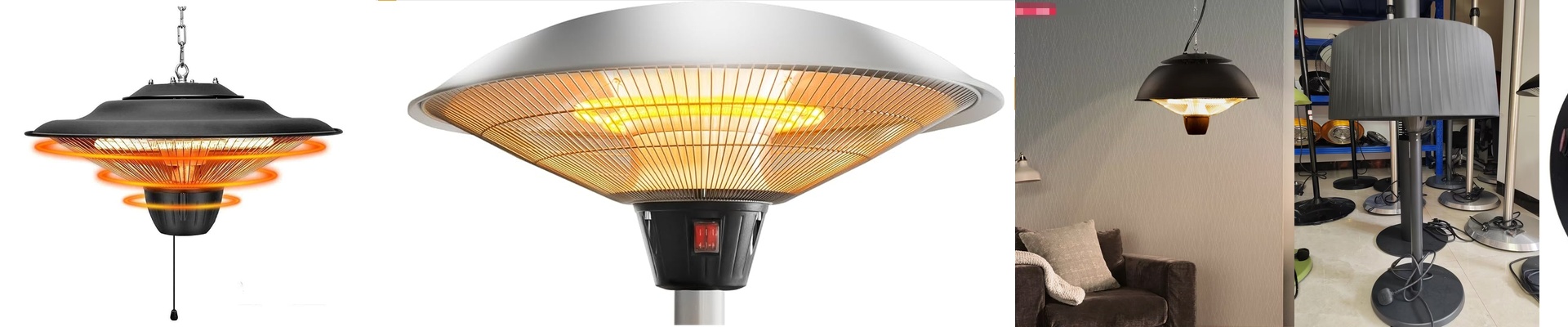
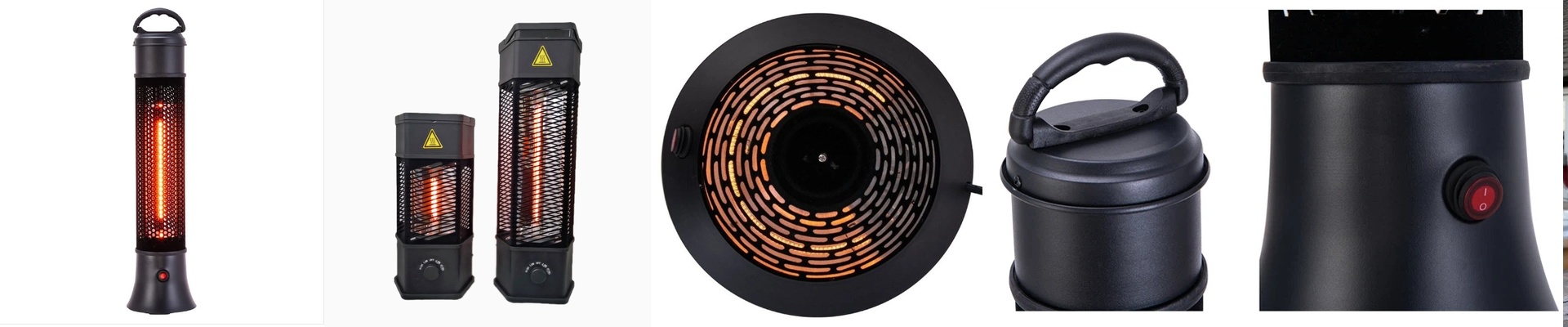
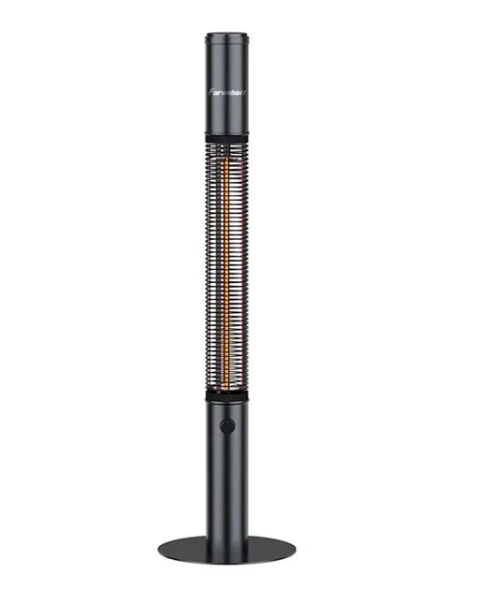
Ten years back, we were the folks building heating systems for other brands. That time in the trenches taught us the hard lesson: outdoor warmth falls apart when the unit is underpowered, slow to wake up, or just not sealed tight against the wind. So we set out to build a long-range patio heater that earns its keep on actual decks and patios—not just on paper.
What matters under the hood
We built this long-range patio heater around an infrared carbon fiber element, paired with a reflector array that throws heat forward instead of letting it bleed straight up. The result is a focused radiant heat pattern that reaches farther across an open seating area. Then we pair that with a quartz-tube core that heats fast—so you get warmth within seconds, not minutes. A built-in thermostat keeps the electric heater steady, and the IP rating is chosen for real outdoor exposure, so rain and spray won’t kill the session. For safety, you get tip-over protection and a protective grille that stays cool to the touch.
Why it holds up outside
From the shop floor to your backyard, the target never changes: dependable warmth you can count on. We spent a decade tightening up materials, joints, and tolerances so the heater survives temperature swings and those gusty evenings. The long-range output makes it practical for larger patios, so you don’t have to stack multiple units just to keep people comfortable. And because infrared warmth heats people and surfaces directly, you can settle into outdoor meals, conversation, and evening reading without waiting around for the air to warm up.
The details that make it work
For best performance, aim the reflector toward the main seating area and keep clearances clear—no curtains, furniture, or overhead structures in the way. It runs on a standard electrical supply, so plan the outlet location before the first gathering. The design is weather-resistant, but in harsh winter conditions, cover or store the unit. That protects the element and helps extend service life.