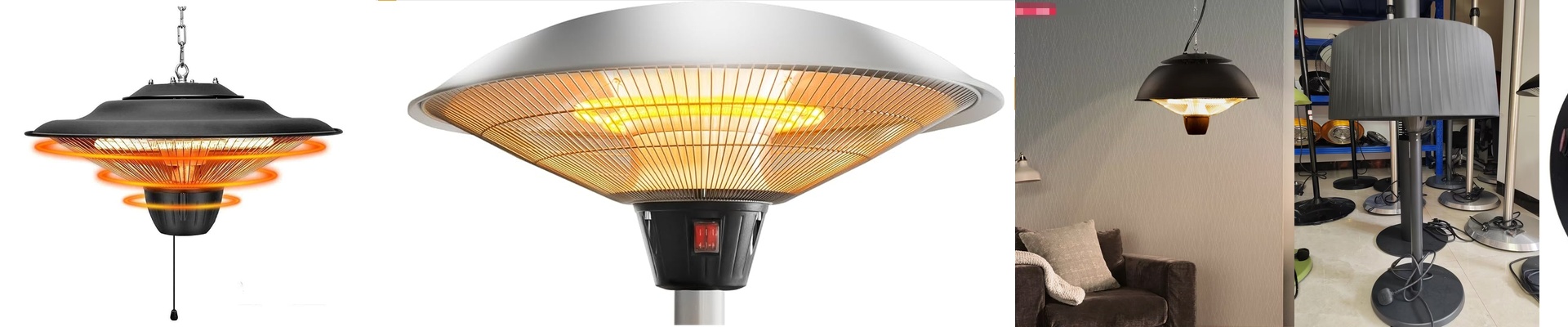
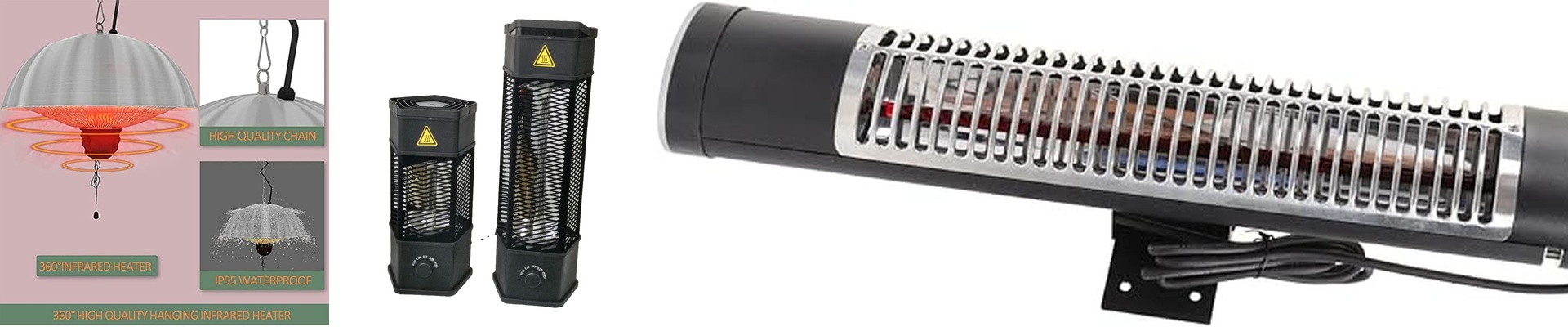
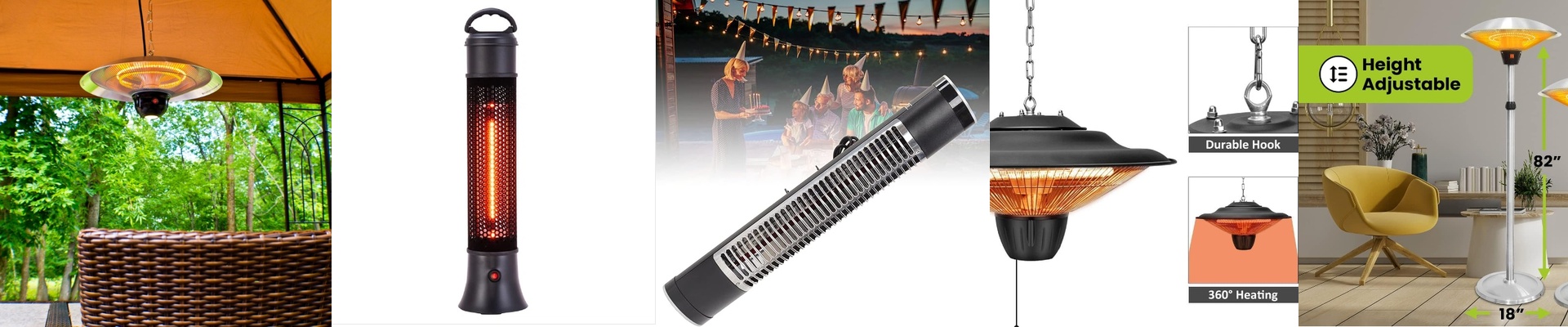
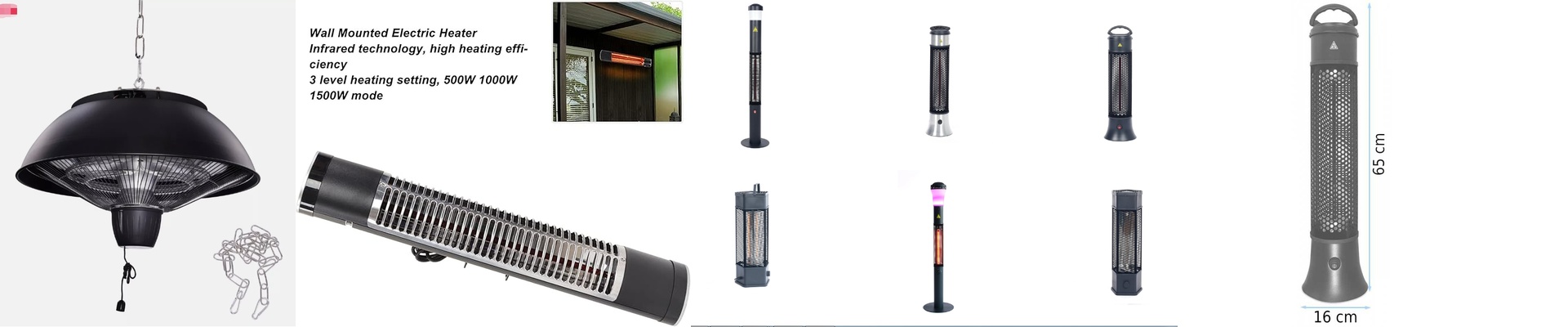
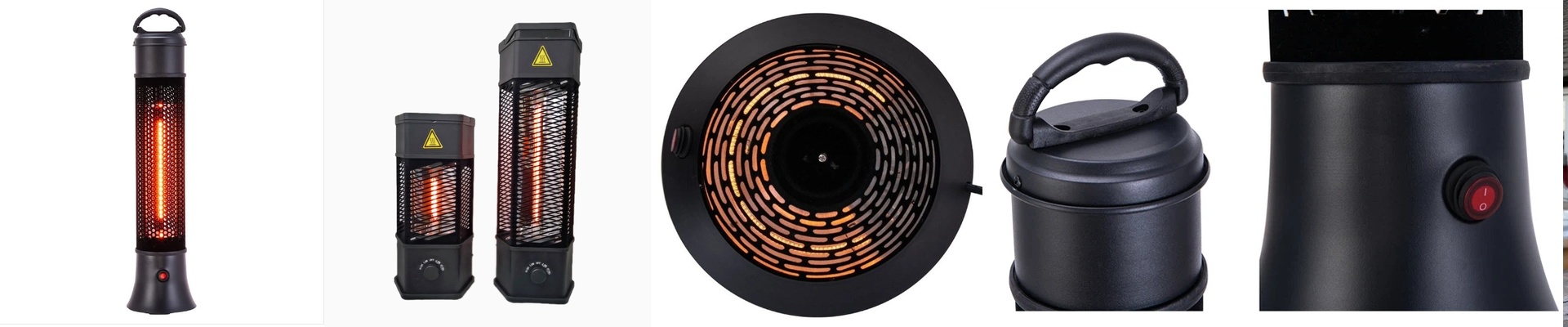
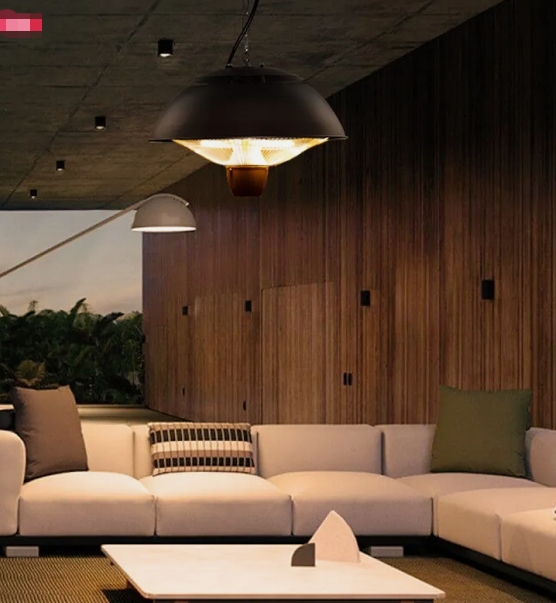
Sun goes down behind the buildings, and the patio feels it right away. Guests start hesitating, chairs stay empty, and service slows down with the temperature. Winter doesn’t have to kill your covers. Put in the right electric infrared heater, and you keep the space usable on cold nights—and that changes the whole evening. What actually matters under the hood We built this around radiant warmth, not hot air. A carbon fiber element and a quartz tube send infrared energy straight out, so it hits people, tables, and surfaces first. You get comfort immediately—no waiting around for the air to “fill” the room. Choose between 1.5 kW and 2.0 kW models, all running on standard 220–240 V, so you can plug in without rewiring the whole terrace. The unit is IP55 rated for outdoor exposure, and the included thermostat keeps output steady so you don’t overshoot comfort. Safety is baked in, too: tip-over protection and a cool-touch outer frame. Why this works in real service When it’s cold, a warm patio is the draw. With infrared warmth, guests sit sooner, stay longer, and order more—without feeling like they’re getting blasted by forced air. Tables turn faster because people aren’t waiting around for the next warm spot. Staff stay comfortable, which keeps service steady and cuts mistakes. From a business angle, that means more nightly covers and a more predictable flow of revenue. And the heaters are quiet, so conversations stay natural and the vibe stays upscale. The practical details you’ll want to get right Radiant heat delivers comfort directly, but placement matters. Plan on about 2–3 meters of warmth per unit, depending on wind and ceiling height. Space them evenly, and mount high enough to avoid glare while still projecting warmth downward. The IP55 rating handles rain and splashes, but in heavy weather, you still want protection or to retract the unit.