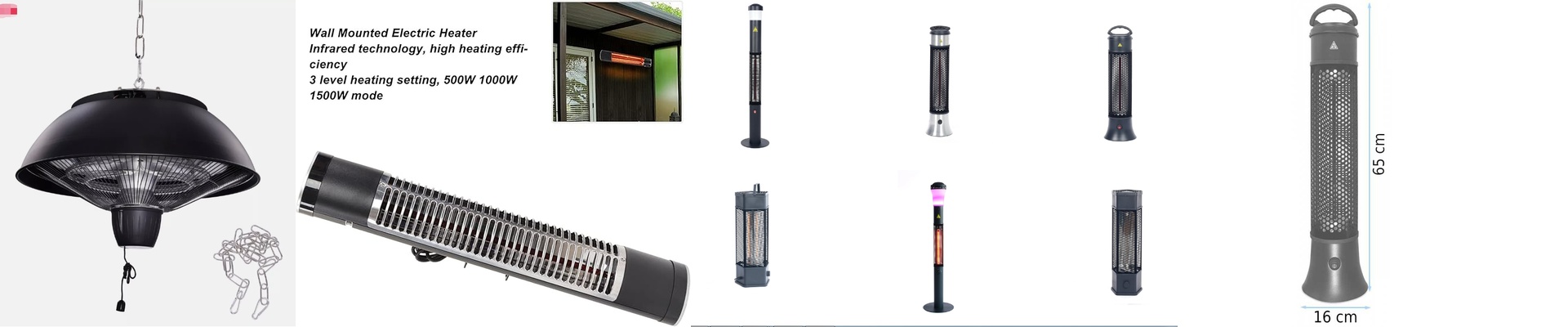
A glass-walled attic sunroom is gorgeous—until the first cold snap hits, and it turns into a solar-powered refrigerator. Heat rises, and so does your energy bill, because forced-air just keeps chasing warmth that bleeds straight out through those big panes. When the room feels drafty even with the heater running, comfort goes out the window—and patience goes with it.
What matters, technically
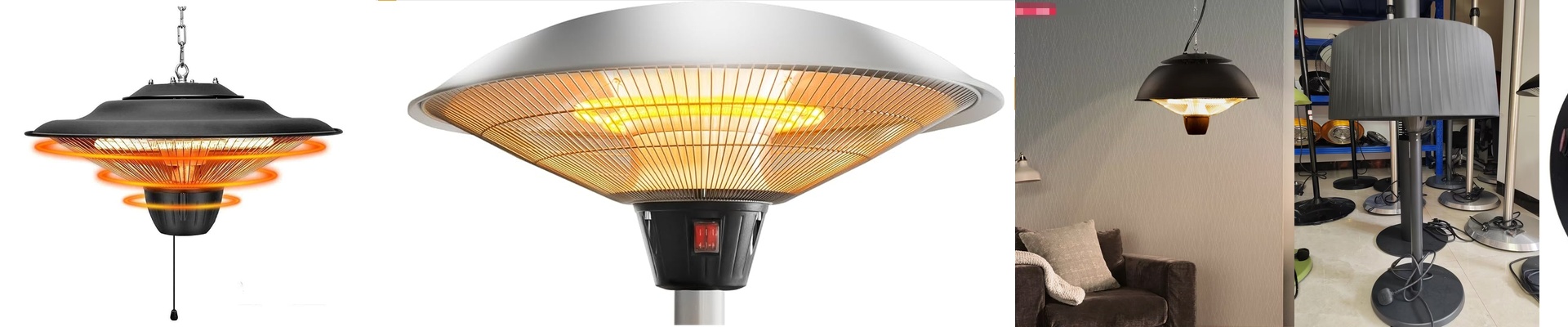
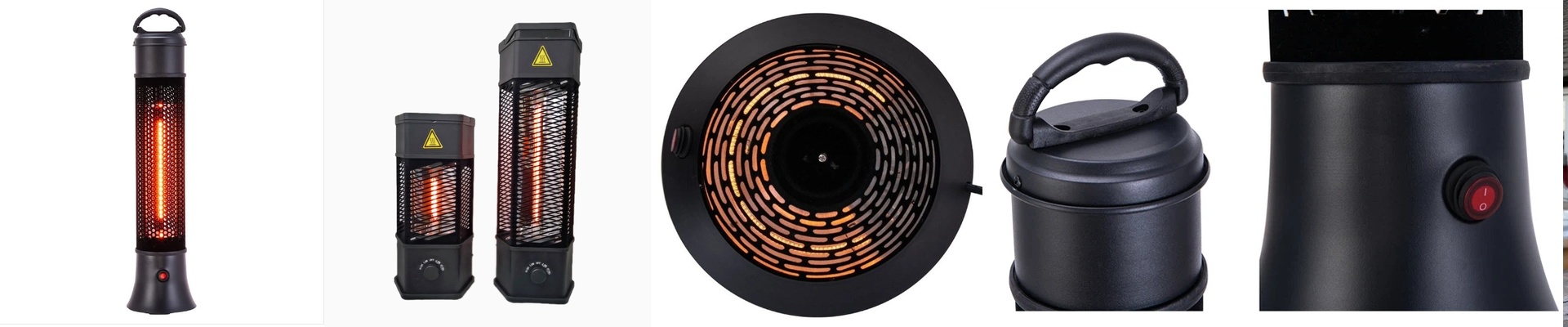
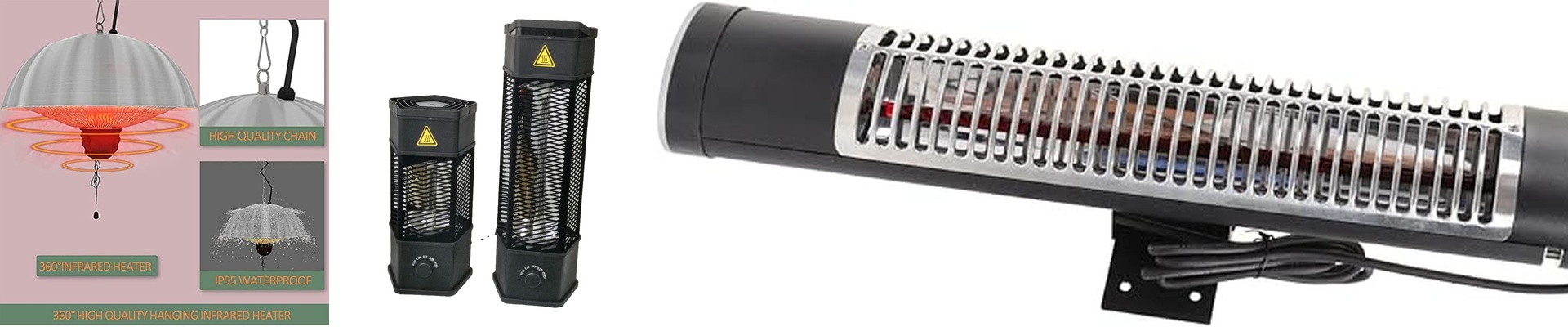
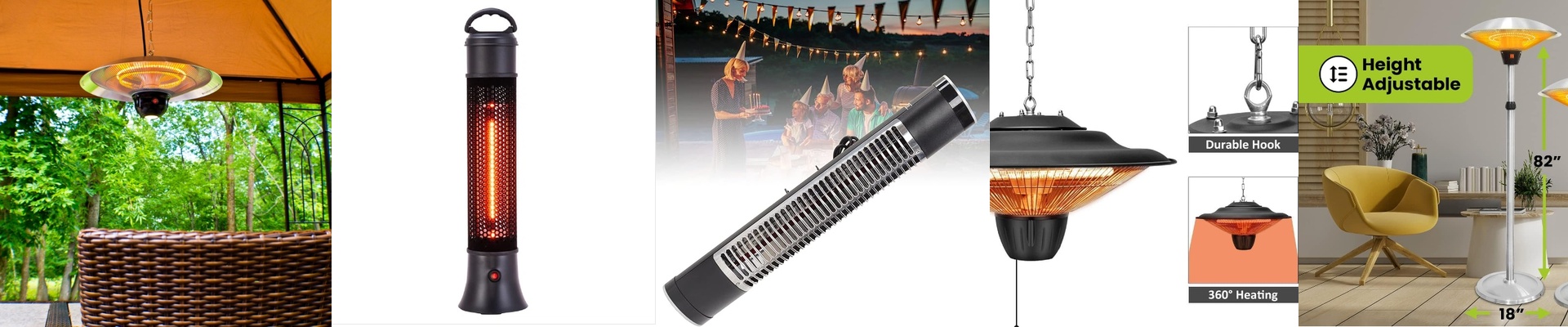
We built this energy-saving heater around infrared radiant heat, using a carbon fiber element that warms people and surfaces directly, not the air. The payoff is immediate: you feel warmth almost the second the unit comes on, with no long warm-up wait. It runs on standard 120V and has a built-in thermostat, so it holds the set temperature instead of cycling on and off like crazy. In a sunroom, the physics is straightforward. Glass leaks heat. Infrared warmth travels in straight lines, penetrates the space, and re-radiates from floors and furniture—helping you get a steadier thermal feel, even under a lot of glazing.
Why it works in an attic sunroom
Here is the real win: temperature stability. The heater locks onto the set point by delivering heat where you actually feel it—at occupant level—instead of trying to heat the whole volume of air that keeps slipping away through the glass. You get cozy corners without drafts, and because the heat is targeted, energy use stays sensible. The upshot is a room you can actually use in shoulder seasons and winter, with fewer hot/cold swings and a more consistent comfort level.
Things to know
Placement matters. Mount the unit so the infrared beam hits the seating areas, not just open space, and keep a clear distance from combustibles. This is an electric heater, so it needs a dedicated outlet. If the sunroom wiring is older, have a pro check the circuit to make sure it can handle the load. And one more practical point: infrared warms objects well, but very cold glass can still feel cool to the touch. Pair the heater with thermal curtains or blinds at night, and you’ll hold onto the warmth that much tighter.