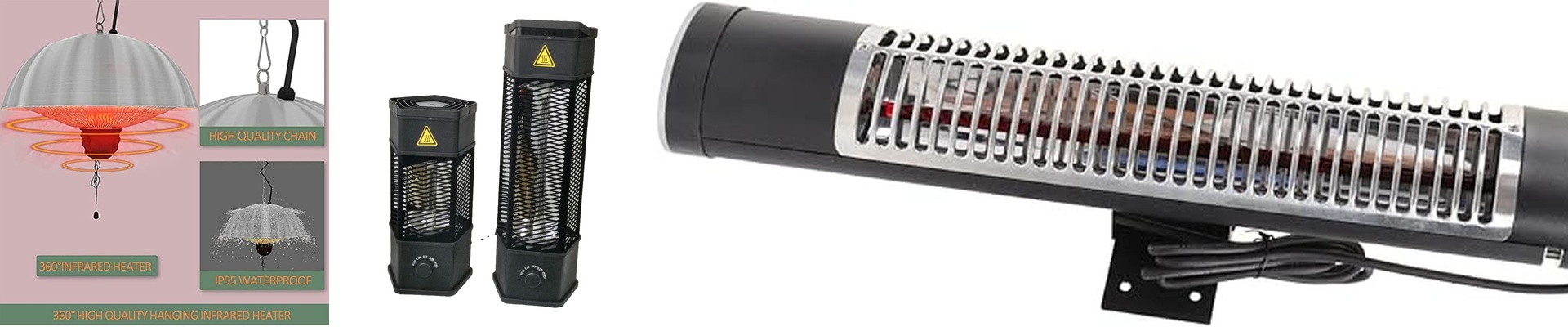
Optimizing Baseboard Infrared Heaters: How We Get Heat Where It Needs to Go
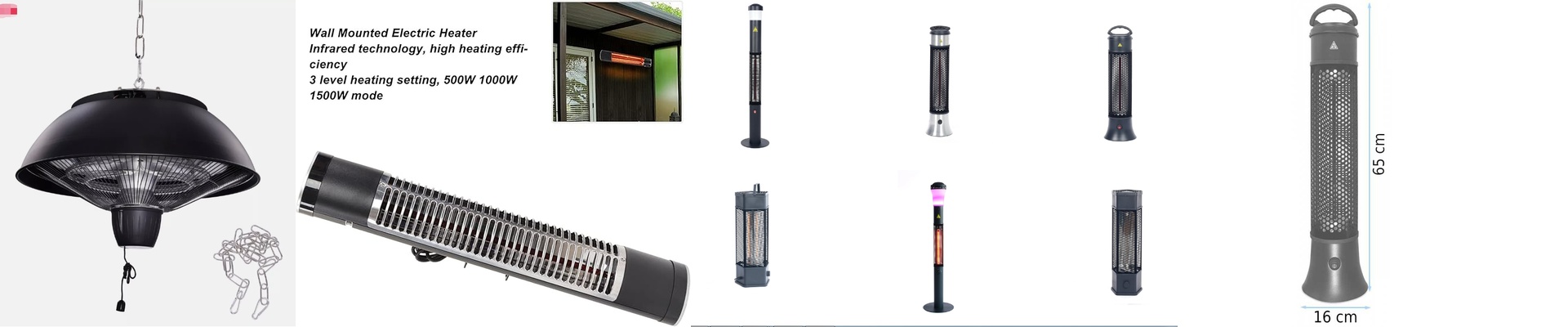
We build baseboard infrared heaters for one simple reason: to give you warmth that actually lands where you want it. No wasted heat drifting into the air. Just direct, focused comfort. Here’s how we do it. We turn electricity into radiant heat, then use geometric optics to steer that energy across a specific zone. The goal? Uniform coverage with as little loss as possible.
The Power, Voltage, and Space Reality
These heaters are designed around real-world electrical and physical limits. You’ve got voltage to match—usually 230V or 400V—so they plug right into your facility’s power setup. Wattage determines how much heat you get per inch of heater. Even a compact 300mm tube can pack a serious punch when the element and reflector are matched properly. That small footprint is great for tight spots, but it also means the power density is high. So yes, these run hot. Plan your clearance and cooling up front, because the surrounding components will feel the heat.
The Secret Is in the Reflector
This is where the physics gets practical. We shape the reflector using geometric optics, carefully calculating the curves and focal points to control how the beam spreads. A well-contoured reflector collimates the infrared radiation, which means less spill and more throw. The coating on the reflector stays highly reflective in the infrared spectrum, so it doesn’t absorb heat and turn into a heat sink. It also holds up to oxidation and repeated heating and cooling, so performance stays steady over long stretches. The payoff? A predictable beam you can actually plan around in your layout.
What You Feel in Real Use
This optical design isn’t just theory. You get a smoother heat profile across the target—no hot spots, no cold edges. Because the coverage is even, you can often dial back the overall energy input and still hit your temperature needs. That translates into lower operating costs. And the baseboard shape keeps things low-profile and easy to work into your design. Just remember: high power density means the surrounding enclosure needs thoughtful thermal management. Pick the heater first, then match the cooling to it.