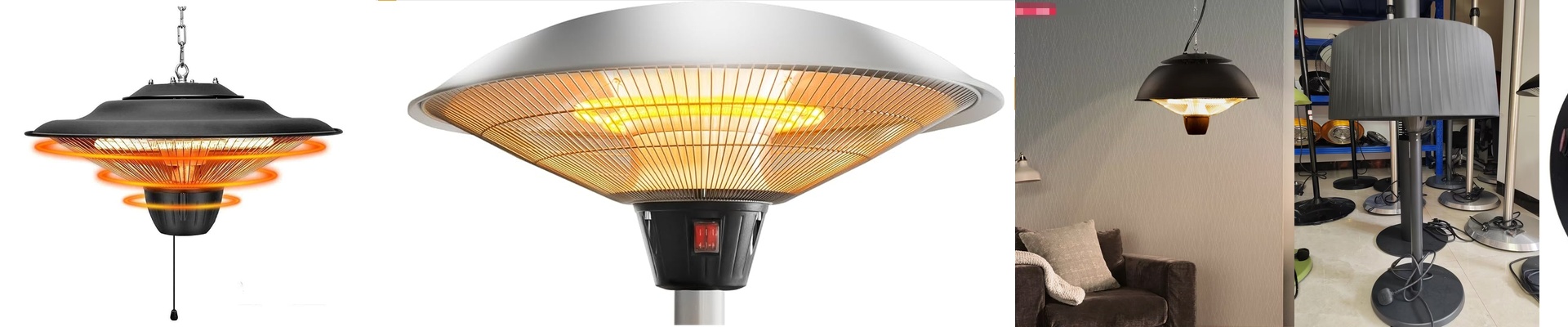
Warmth, Straight Up—And Totally Safe
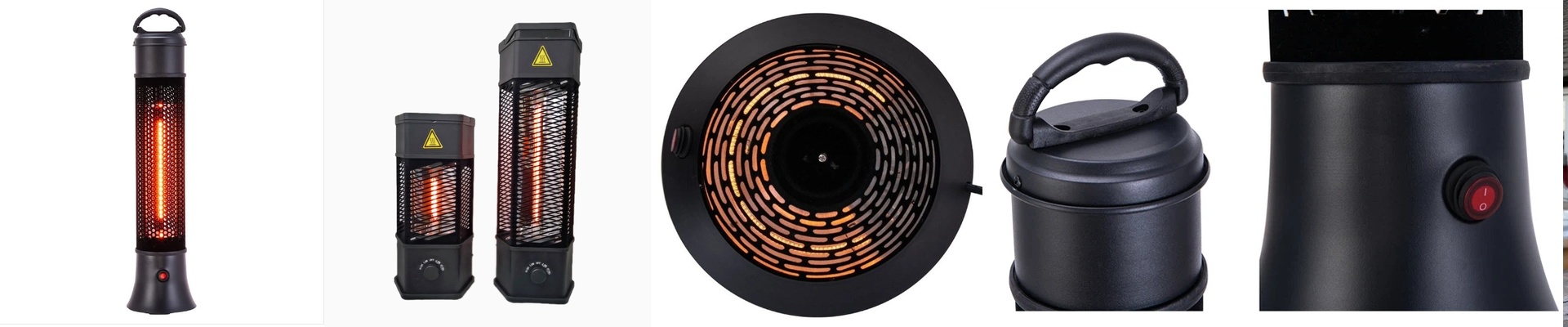
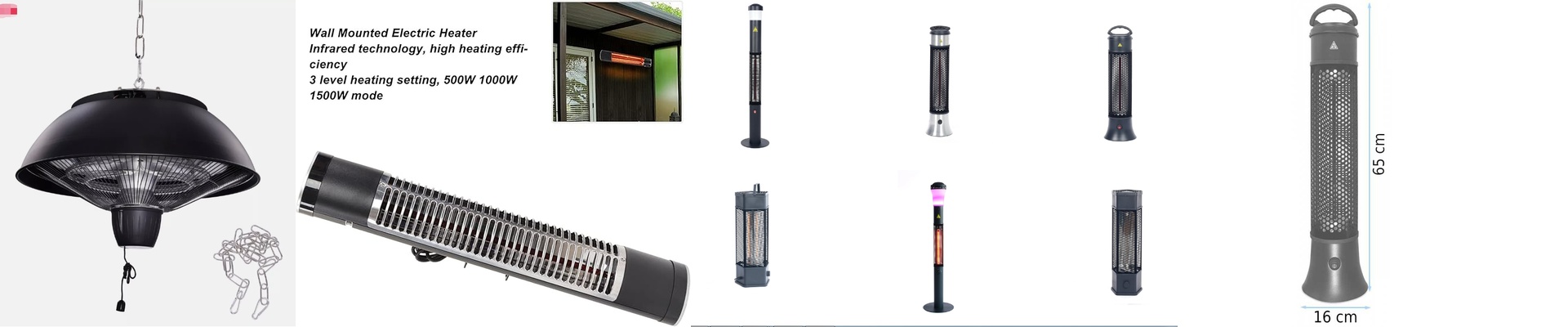
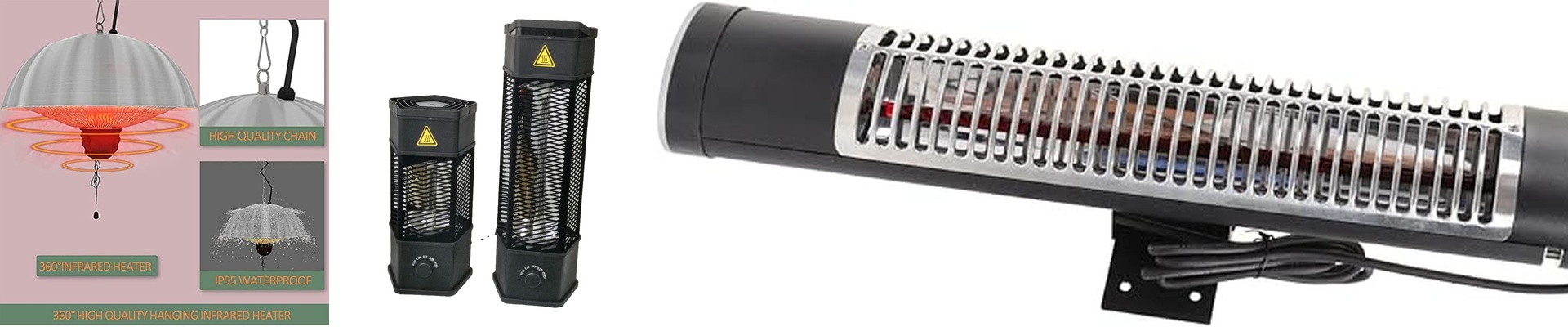
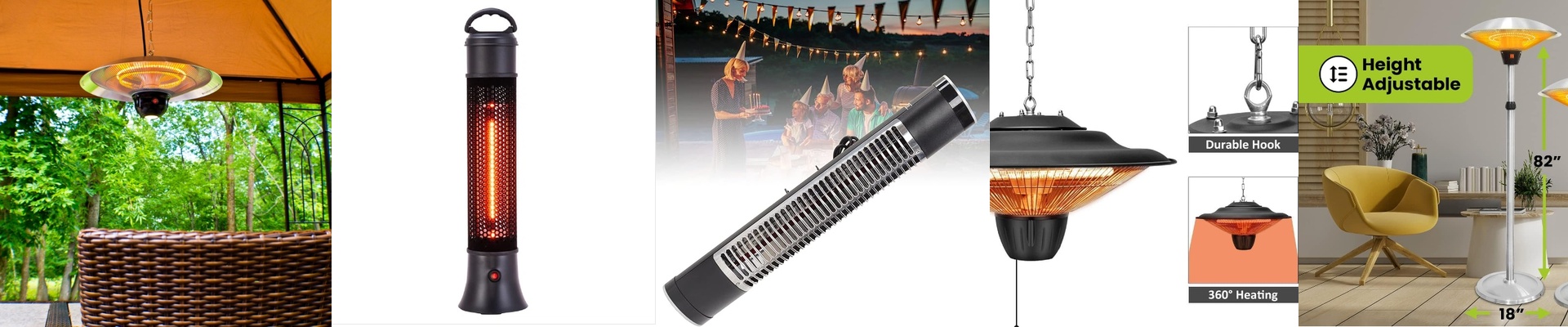
Here’s what we set out to do with our infrared heaters: give you focused warmth, right where you need it, without making safety an afterthought. If it gets tipped over, it shuts off—instantly. That’s the heart of it. The moment the unit is knocked off its feet, the power cuts. No lingering heat on the floor. No scary fire risk. Just peace of mind that it won’t keep running when it’s unstable.
Getting the Power Right: It’s Not Guesswork
Choosing wattage isn’t a shot in the dark. It’s about matching the heater to the room—how it’s built, where it sits, and how well it holds heat. A north-facing room? It loses heat faster through the walls, so it needs more punch per square meter than a south-facing room that soaks up the sun. And if the insulation is thin, you’ll need higher power to keep up with the heat that keeps slipping away.
A simple way to size it
- Start with the floor area in square meters.
- Pick a wattage factor based on insulation—poor, standard, or high.
- Then adjust for ceiling height and how exposed the space is. A handy baseline for standard insulation is about 100W per square meter. But exposure and tall ceilings can push that number up. Go too small, and the heater runs nonstop, never really hitting that comfortable warmth. Go too big, and it starts cycling hard—on, off, on, off—which wears things out faster.
Safety That Stays Active, Even When You’re Not Thinking About It
Tip-over protection is built into the unit as a mechanical-electrical interlock. The heater has to sit level for the switch to engage. If it tilts beyond the limit, the switch pops open and cuts the heating circuit. This happens separate from the thermostat. So even if the thermostat is asking for heat, the heater simply won’t turn on until it’s stable again.
On the Shop Floor, It Just Makes Life Easier
For the people doing the work, this setup means performance you can count on—and installations that feel safer. The footprint stays small, so you can mount the heater where the heat is needed, not where the airflow happens to be convenient. And that safety cut-out? It takes pressure off the team and makes compliance checks feel less like a puzzle. **One trade-off to keep in mind:**higher wattage density warms things up faster, but it also draws more current. Make sure your branch circuit can handle it, and use wiring and protection that are properly rated.