The Heart of the Matter: Heat, on Demand
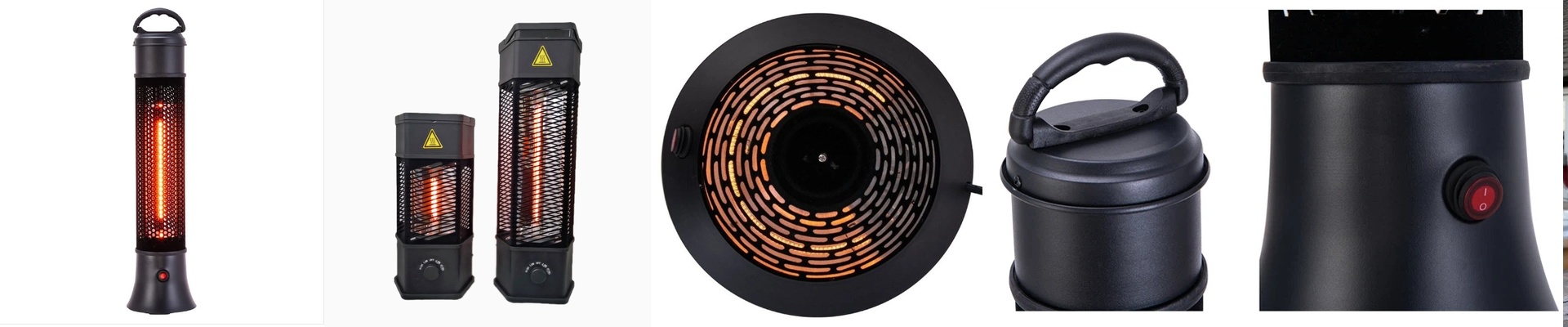
Here’s the thing about these electric radiator heaters. We built them for one reason: to give you heat the second you need it. No waiting. No fuss. It all comes down to the guts of the design. We run these units at a high voltage—typically 400V—which pushes serious current through the heating element. The payoff? A ton of wattage packed into a small space. And that 300mm length? That’s intentional. It pinpoints the heat right where your process needs it, so you’re not wasting energy warming up everything around it.
The Secret Sauce: Built to Last
Let’s talk about the heating element itself. It’s a halogen-filled quartz tube, and there’s a good reason for that. This isn’t just some random material choice. The halogen gas lets the filament run hotter and brighter without burning out too soon. That means a longer life for the whole unit. The quartz body can also handle the shock of rapid heating and cooling, which is exactly what you need for all those on-off cycles. To keep the power flowing, we use an R7s connector. It’s a simple, double-ended design that gives you a solid, low-resistance connection. It handles the high current without getting hot itself. It’s just a reliable, drop-in piece that gets the job done.
The Power and the Trade-off
This setup is for one thing: industrial processes that need fast, focused heat. That “lightning response” you get is the combo of high-voltage power and the thermal efficiency of the halogen element. It’s tough, too. It can take the punishment of the factory floor, cycling on and off all day long without losing its punch. But here’s the trade-off. With that kind of power—a 400V, 2500W tube—you’re generating a lot of heat. So, your machine’s cooling system needs to be up to the task. We build for speed and reliability, but you have to make sure your surrounding equipment can handle the extra warmth. It’s how we get from a solid design to a product that just works, batch after batch.