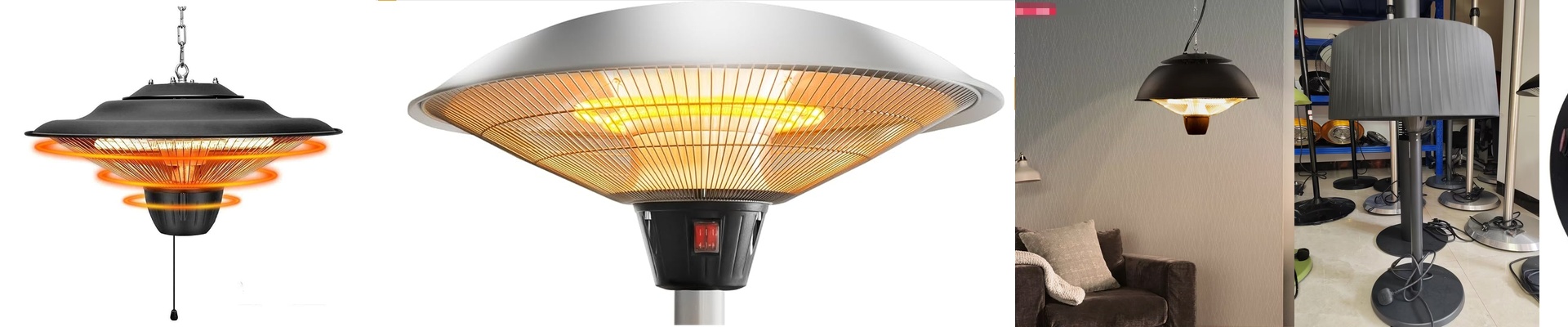
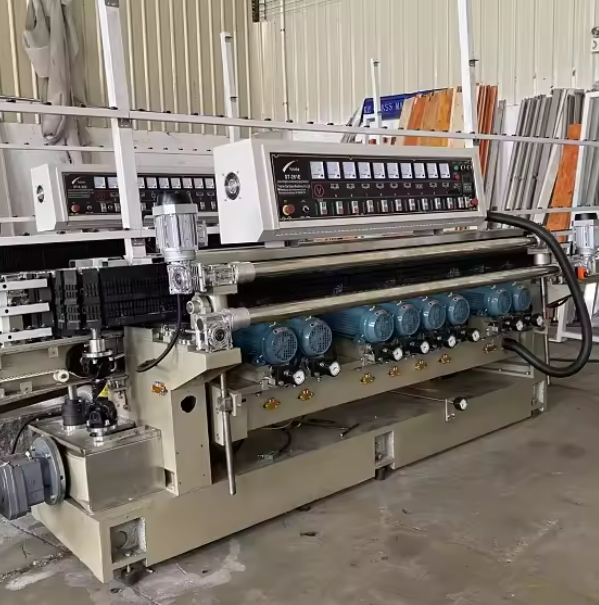
On the glass line, heat isn’t a nice-to-have—it’s control. When the thermal profile is weak in tempering, lamination, or coating drying, you see it fast: optical distortion, uneven stress, and scrap that chews straight through margin. High-efficiency infrared emitters go after the real issue: putting predictable, directional heat exactly where the process needs it, when it needs it. What actually matters under the hood Infrared emitters deliver energy by radiation, not convection, so the heat goes into the glass and the coating—not the air around it. That gives you a uniform thermal field across the target zone, which cuts down thermal gradients and lowers the fracture risk during quench. The response is quick, too: the emitter hits set temperature fast, so you can keep a tight grip on dwell time in bending and lamination heating. Directionality is just as important. With focused radiation, you heat the intended area without cooking adjacent components, which helps repeatability shift after shift. In practice, that means fewer rejects from stress marks, haze, or poor adhesion. Why it plays so well in our processes In tempering, a stable, even heat profile before quench keeps surface compression consistent—so break patterns and safety performance behave the way they should. In lamination, rapid, uniform heating gets the interlayer to the right flow point without edge slip or bubbles, which lets you hold high throughput without giving up optical clarity. For coatings and insulating glass sealing, controlled heating reduces moisture entrapment and keeps cure uniform, supporting long-term durability. Energy use drops because the heat is applied on-demand and only where it’s needed, so you waste less heat and take load off plant HVAC. The details that bite you if you ignore them Infrared emitters are sensitive to line-of-sight and surface emissivity. Reflective fixtures, moving conveyors, or a change in glass tint can shift how much energy is absorbed, so the heating layout and control strategy have to match your actual product mix. Installation is straightforward on most presses and ovens, but alignment and spacing need to match the emitter’s focal pattern. Expect a short commissioning window to dial in temperature uniformity across the glass width. Once set, the system runs with minimal tweaking, and maintenance is usually just routine lamp and reflector checks.