Getting the Heat Right: Custom Power Density for Glass R&D
If you’ve ever tried using a standard, off-the-shelf IR lamp for glass research, you know the frustration. They’re designed to be uniform. But in a lab, “uniform” is often the last thing you want. When you’re testing new glass compositions, you’re usually looking for how the material handles stress. That means you need specific thermal gradients—hot spots and cool spots—to see where the glass holds up and where it fails.
How we actually control the heat
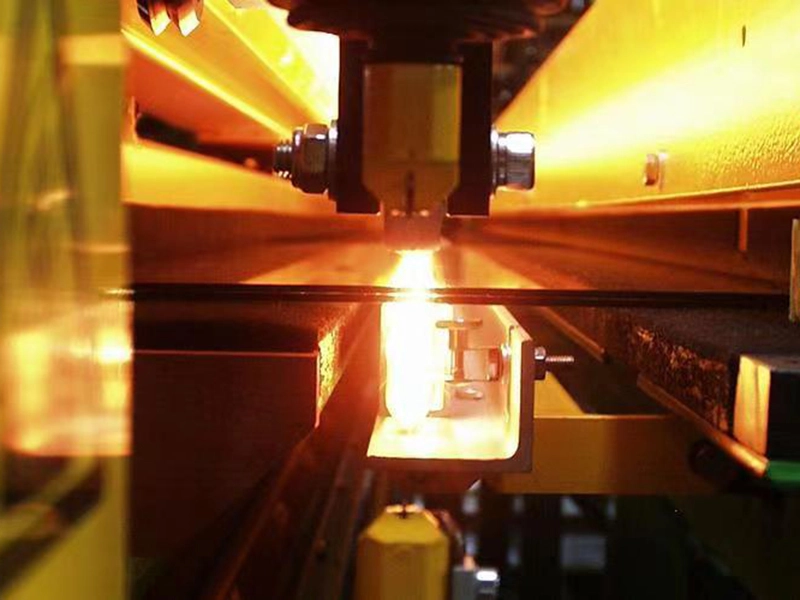
We don’t just tweak the length of the tube and call it a day. That’s too simple. Instead, we play with the winding pitch and the thickness of the filament across the whole twin-tube setup. By changing the ohms per millimeter, we can bake “hot zones” and “cool zones” right into a single lamp. It’s a huge advantage. You can blast the center with high wattage while tapering the heat at the ends. This keeps your fragile samples from cracking at the edges, which saves you from throwing a week’s worth of work in the bin.
Why the twin-tube setup works
The twin-tube design is basically a way to cram double the emitting surface into a tiny footprint. We use high-purity quartz because it lets shortwave radiation actually sink into the glass substrate. It doesn’t just sizzle the surface; it gets deep inside. Plus, this setup lets you push way more power without the filament giving up the ghost due to internal pressure.
A quick warning on the physics
Here’s the catch: high power density is a bit of a double-edged sword. When you’re aiming for extreme, localized heat, the thermal expansion at that focal point is aggressive. If your mounting brackets are too tight, the quartz will just snap the first time you ramp up the power. Give the lamp some room to grow lengthwise, or you’re going to have a mess on your hands.
Built for your specific setup
We’re not interested in selling you a generic heater that you have to “make work.” Whether you’ve got a specific voltage to match an old transformer or a weirdly shaped vacuum chamber that requires a non-standard length, we just build it to your prints. You get a tool that actually fits your material’s thermal profile, and you can finally stop fighting with your equipment.