Fixing Waterproof Heaters Without the Headache
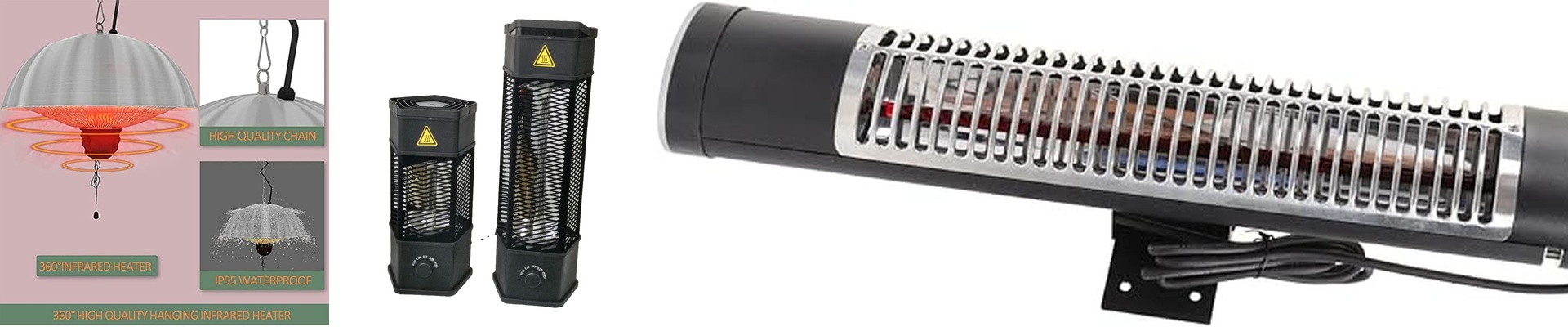
Here is the reality with IP44 waterproof heating tables: you need to keep the water out, but you can’t pretend the parts will last forever. Infrared lamps will burn out eventually. It’s just what they do. The problem is that if you seal a unit too tight without a plan, replacing one simple bulb turns into a nightmare. You end up tearing the whole system apart just to fix one small thing. Nobody has time for that.
Why we go modular
We decided to do things differently. Instead of hard-wiring everything into the frame, we use a “plug-and-play” setup. Think of it like a cassette. The heating element, the reflector, and the main wires are all bundled into one removable piece. So, let’s say a tube dies five years down the road. You don’t have to mess with the waterproof seals or start rewiring the control panel. You just pull the dead module out and drop a new one in. It turns a few hours of frustration into a few minutes of work.Fast. Simple. Done.
Dealing with water and heat
The IP44 rating is great for blocking splashes and keeping gunk out, but it creates a tricky balance. If you seal everything up too tight, you trap the heat. Infrared tubes get incredibly hot. If the airflow isn’t right, that heat stays inside the housing and can fry your wiring. To stop that from happening, we use specific cable glands and gasketed panels. It keeps the water out while letting the system breathe.
Making it work on the shop floor
This approach makes life a lot easier for the people actually running the machines. You don’t need to keep a spare table sitting in the warehouse—you just stock a few heater modules. We use standard connectors, so the replacement fits perfectly every time. No guessing, no “forcing it to fit,” and no stress during a midnight shift repair. You swap the module, tighten the fasteners, and you’re back in business.