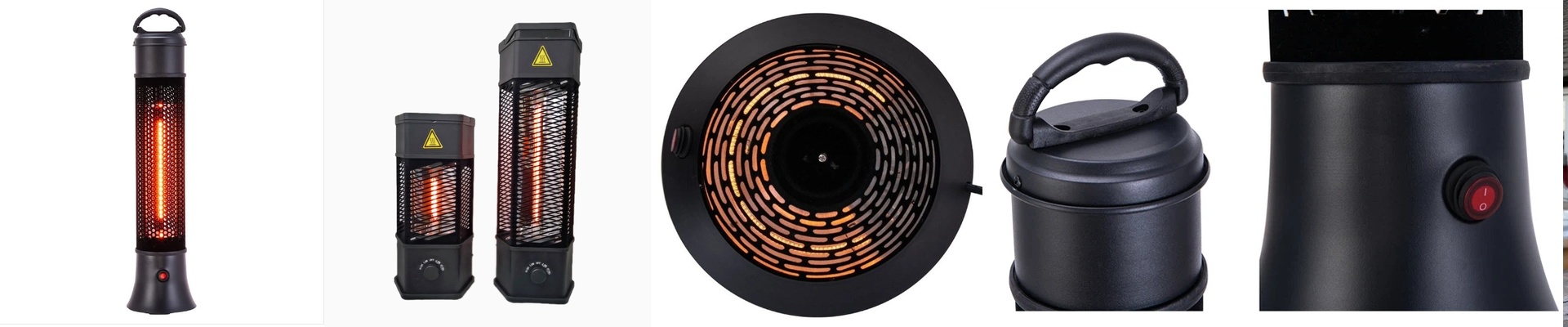
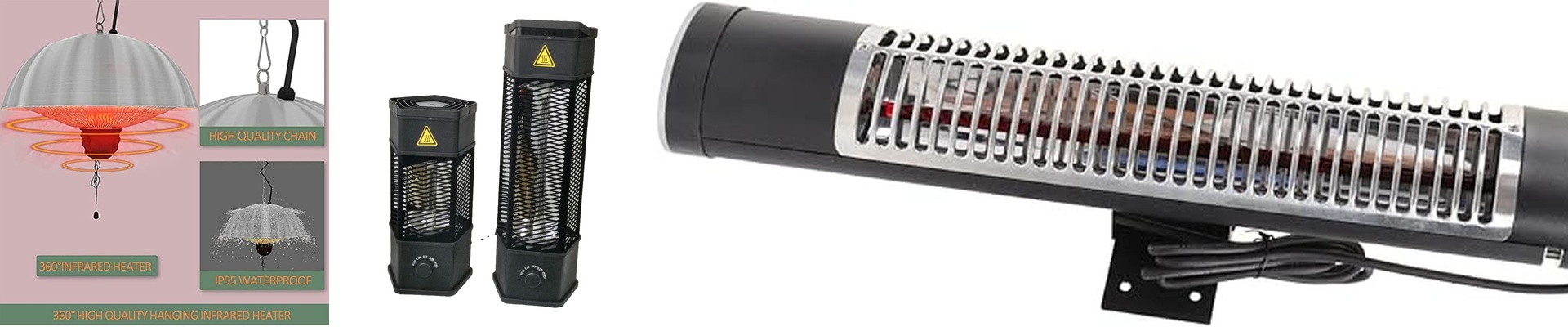
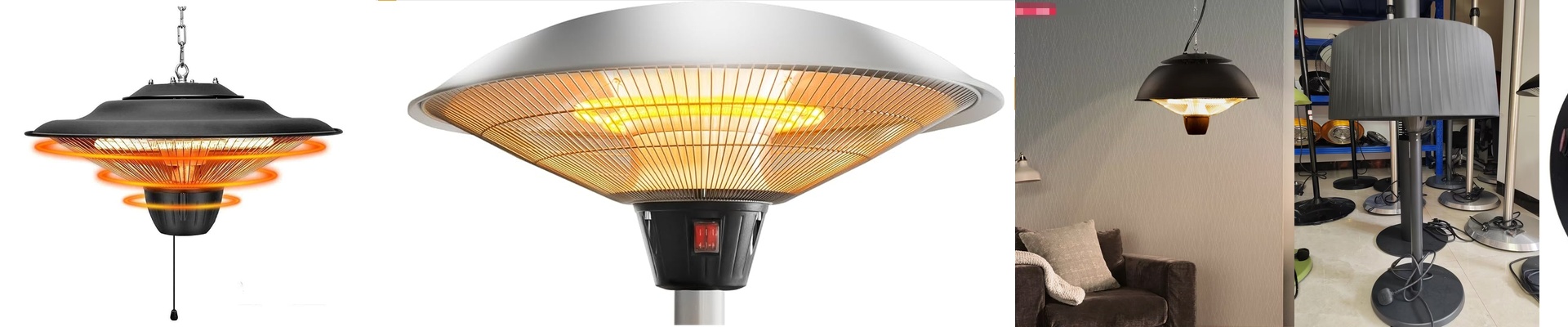
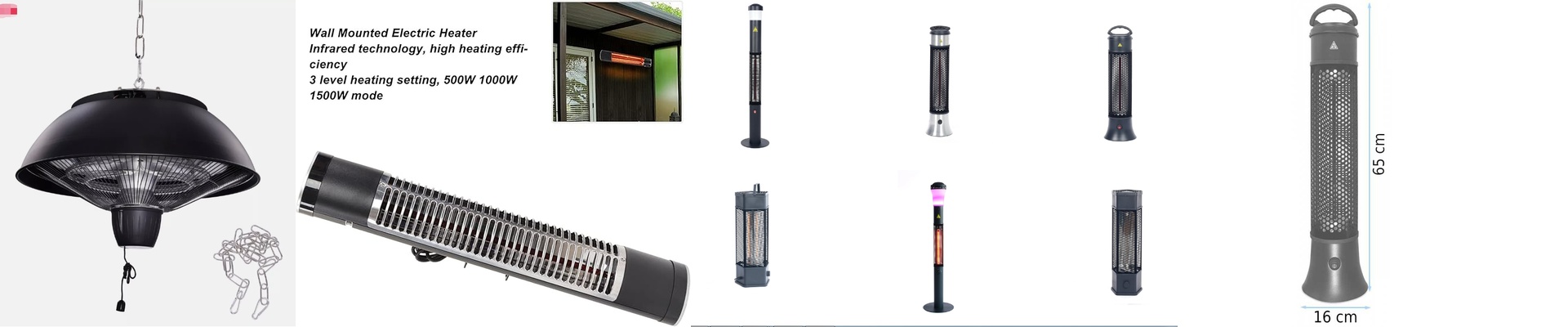
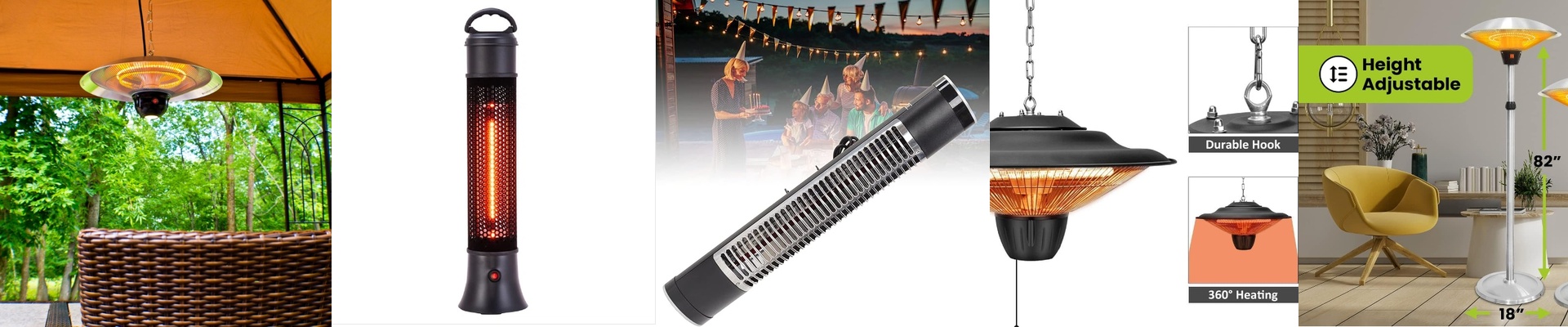
On the bench, annealing failures don’t hide. A shaky thermal field leaves residual stress, and one fractured sample eats hours of prep work. We built the Laboratory Glass Annealing Lamp to give you repeatable, controllable heat—exactly where annealing tolerances are tight and cycle time is non-negotiable. What actually matters under the hood The lamp leans on short-wave NIR quartz emitters, so you get rapid, direct energy transfer. Glass heats fast while the air stays relatively cool. Output is adjustable across a practical range, so you can match the soak profile to thickness and glass composition without guessing. A focused reflector keeps the beam tight, improving temperature uniformity across the sample zone and cutting down the hot/cold spots that drive thermal stress. The footprint is compact for standard fixtures, and the terminal block is built to survive routine handling in a busy lab. Why it holds up in real lab work In the lab, repeatability is the scoreboard. This lamp hits setpoint quickly, shortens soak time, and holds temperature steady through the annealing cycle—so yield improves and scrap drops. It’s also more efficient because the energy goes into the glass, not the room. Maintenance stays simpler, too: fewer on/off cycles, fewer thermal shocks to the emitter, and less downtime spent swapping parts. A few shop-floor pointers The output is intense, so positioning matters. Keep the lamp at the recommended working distance and make sure the sample is properly supported—otherwise you risk localized overheating. For the best results, dial in soak time and cooling rate to match the glass type. The lamp supplies the heat, but the process still depends on your parameters.