Dealing with Ultra-Long Infrared Heating in Glass Tunnel Kilns
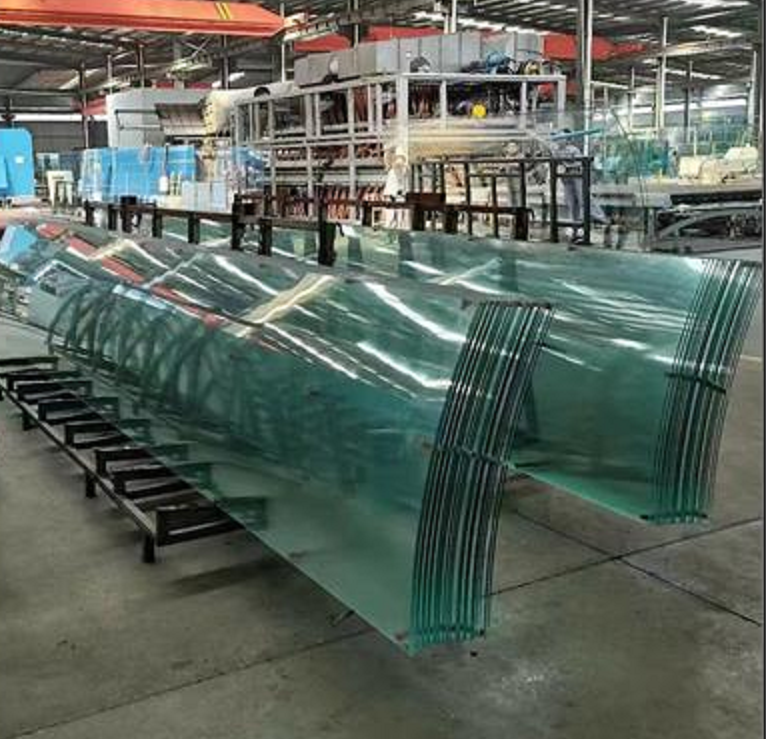
When you’re trying to heat massive sheets of glass in a tunnel kiln, the usual off-the-shelf lamps just don’t cut it. You can’t just keep plugging small bulbs into each other and hope for the best. Once you cross that 2-meter mark, you’re playing a different game. You need a setup that actually handles the length without leaving cold spots or snapping under the pressure of the heat. The headache of “Cold Spots” Here’s the thing: standard lamps always leave little gaps at the ends. In a tunnel kiln, those gaps are a nightmare. They cause temperature dips that lead to uneven tempering or, even worse, those annoying stress fractures that ruin a whole batch. We get around this by building oversized, continuous units. By stretching the heating element and using specific mounting brackets, we basically create a solid wall of heat. The glass feels a steady, constant flow of energy from the second it rolls in until the moment it rolls out. No dips. No surprises. Power, wires, and the “stretch” Building a unit over 2 meters changes how the electricity behaves. To keep the current from getting out of hand—and to avoid having to run wires as thick as your thumb—we use higher voltage ratings. But there’s something else you have to watch: physical growth. A 2-meter quartz tube actually grows as it heats up. If it’s clamped down too tight, it’ll just snap. We use floating mounts, which give the lamp room to breathe and expand without stressing the connectors or breaking the glass. The balancing act These long units put out an incredible amount of heat. That’s great for getting your product through the kiln faster, but it’s a lot for the machine to handle. If your cooling system isn’t up to the task, that ambient heat bleed will start eating your control electronics or warping your support rails. It’s a bit of a tug-of-war. You have to make sure your lamp wattage and your exhaust airflow are talking to each other, otherwise, you’re just baking your own equipment.