Getting the Heat Just Right in Glass Bending
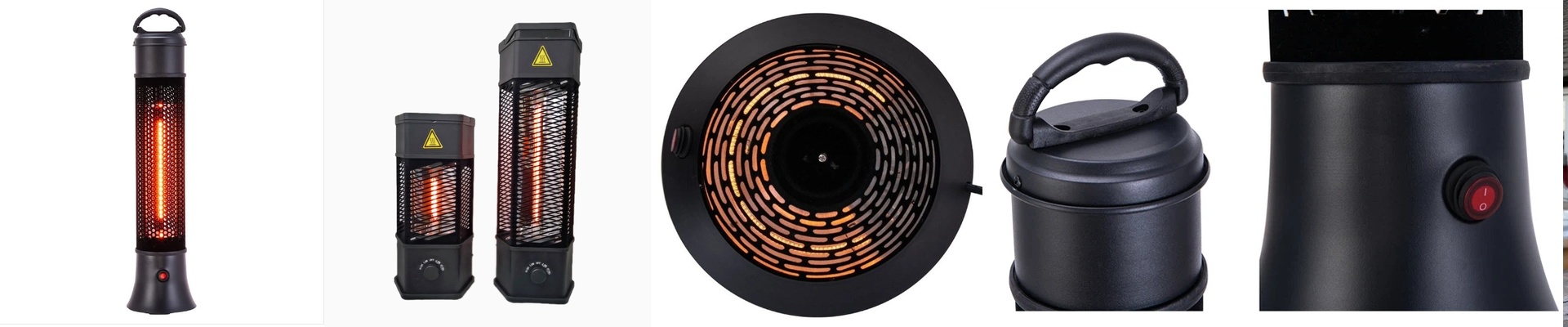
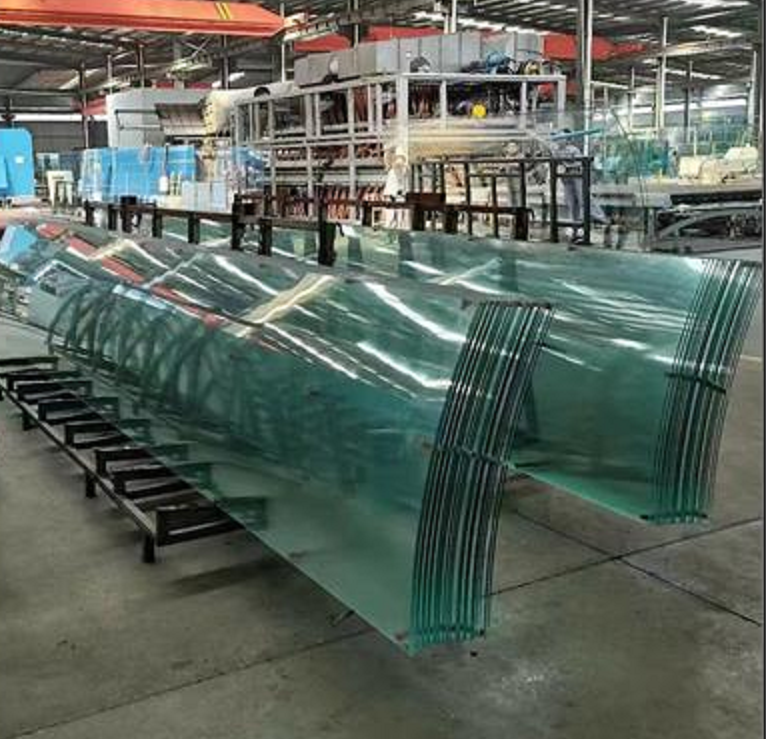
Working with glass is a bit of a tightrope walk. You’re constantly balancing speed against the risk of everything shattering. Hit it too hard and too fast? Crack. Take too long? The glass just sags into a puddle. To get around this, we lean on shortwave infrared lamps and high-reflectivity housings. It’s a simple setup, but it makes all the difference.
Why “Fast” Isn’t Always Better
You can’t just slam a switch and hope for the best. That’s a recipe for thermal shock. Instead, we use SCR controllers. Think of these as a dimmer switch on steroids. They tweak the voltage to the lamps in real-time, letting you ramp up the heat in stages. It gives the glass a chance to breathe and expand without snapping. And the shortwave IR is the secret sauce here. Longwave heat just sits on the surface, but shortwave actually sinks deep into the glass. It keeps the core and the surface at a similar temperature, which is exactly how you keep the piece from exploding while you’re heating it.
It’s All About the Bounce
The lamp is great, but it’s only half the battle. If you don’t have a solid reflector, you’re basically throwing half your energy at the machine frame. That’s just wasting electricity. We use gold-coated or polished aluminum to bounce that heat right back onto the glass. The shape of that reflector is where the magic happens. A parabolic curve lets you pinpoint the heat for a tight bend. A wider arc is better when you need a steady, uniform soak for tempering. You get a lot more “punch” in your heat without having to crank up the wattage and blow a fuse.
The Trade-off
Here’s the catch: high-wattage IR setups gethot. I mean, really hot. Even with the reflectors doing their job, the housings still soak up a ton of ambient heat. This is why you can’t skimp on your cooling fans and vents. If you let the housing overheat, you’ll fry your wiring or kill your lamps way sooner than you should. Keep the air moving. It’s the only way to keep your cycles steady and your gear running.