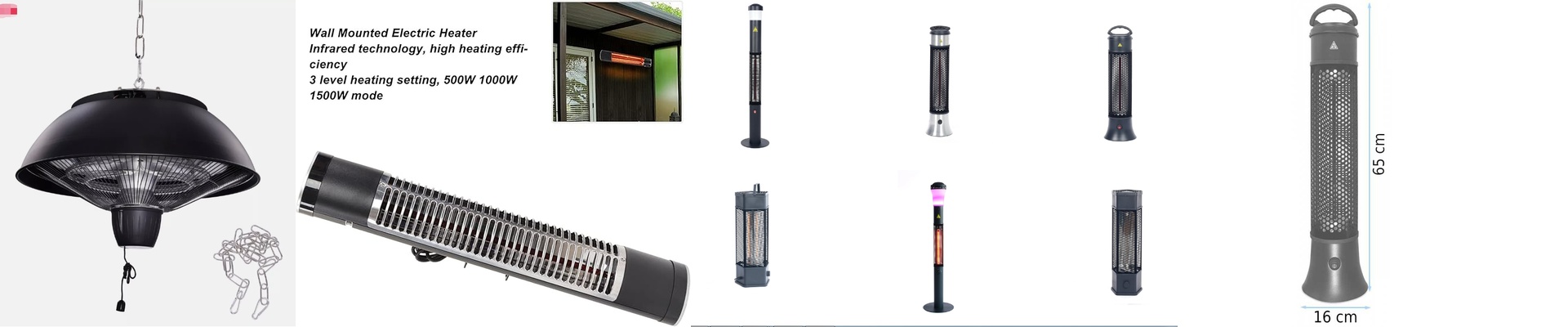
Keeping Your Outdoor Heaters Alive in the Rain (and Humidity)
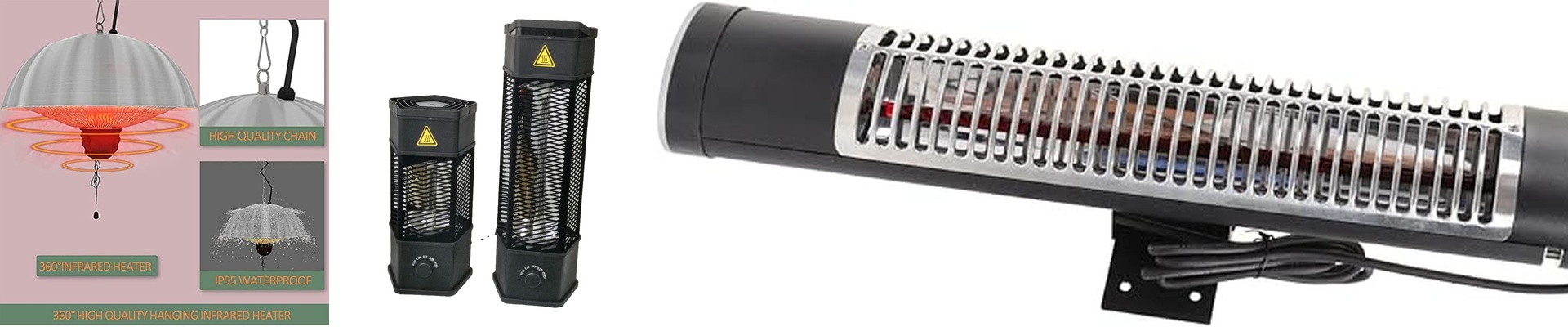
Let’s be honest: putting a heater outdoors is basically a dare. You’re fighting a constant battle against rain, humidity, and that annoying condensation that seems to find its way into everything. Most standard heaters just can’t hack it. Once moisture hits the electrical terminals or settles on the heating element, it’s game over. That’s why we build our units to IP65 standards. It sounds technical, but here is what it actually means for you: the housing is totally dust-tight and can handle water jets hitting it from any angle without breaking a sweat. We use sealed gaskets and precision-molded enclosures to make sure splashes stay on the outside and away from the wiring. Here is the real killer, though: thermal shock. Imagine a red-hot quartz tube. Now imagine a cold raindrop hitting it. That sudden temperature swing creates tiny micro-cracks in the glass. Do that enough times, and the tube just burns out. To stop this, we designed an anti-fog system that manages airflow and surface temps so water doesn’t pool on the element in the first place. We also didn’t want you replacing these every year because of a little rust. We use high-grade, corrosion-resistant alloys for the casing and treat the internal reflectors so they don’t oxidize. It keeps the heat pushing outward instead of getting trapped by a layer of grime. One quick heads-up on the electrical side. These things pull a lot of power. If you’re installing a big array of them, your breakers are going to feel it. Just make sure your cabling is rated for a continuous heavy load, or you’ll end up dealing with voltage drops. Installing them is pretty straightforward—they’re designed to drop right into most standard setups. But there is a trade-off. Because the IP65 seal is so tight, the unit traps more internal heat than an open-air heater would. Give them some breathing room. If you mount them too tight against a ceiling or a soffit, they can’t cool down passively. If that happens, you’ll likely trip the thermal cutoff, and your guests are going to be cold again. Leave a gap, let them breathe, and they’ll run just fine.