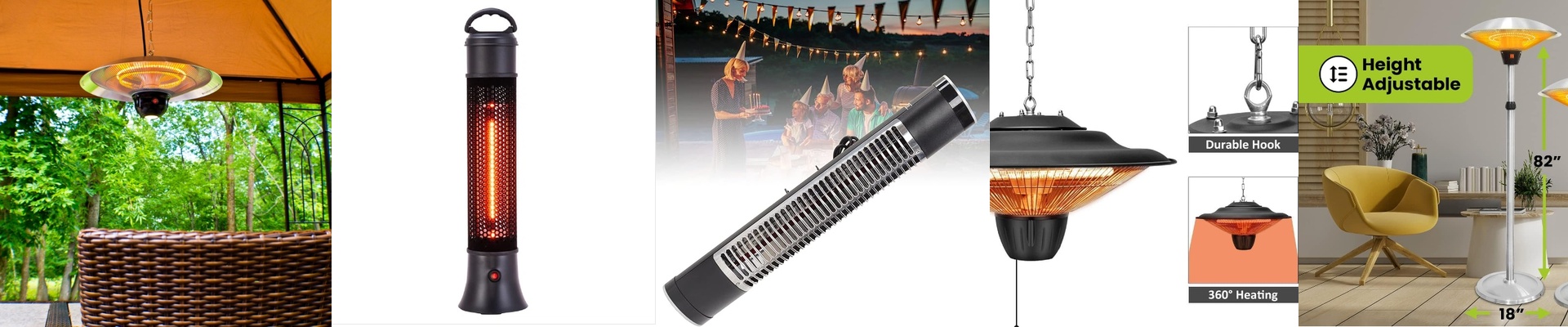
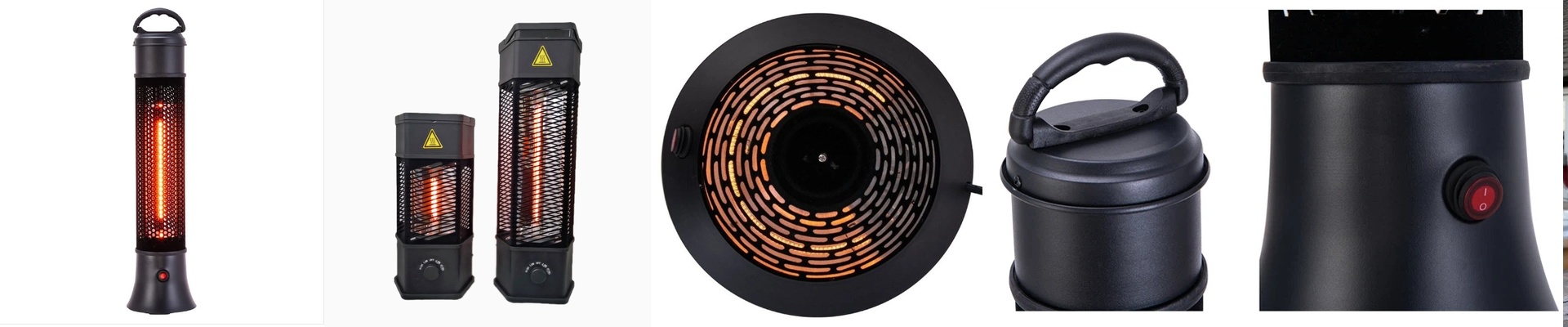
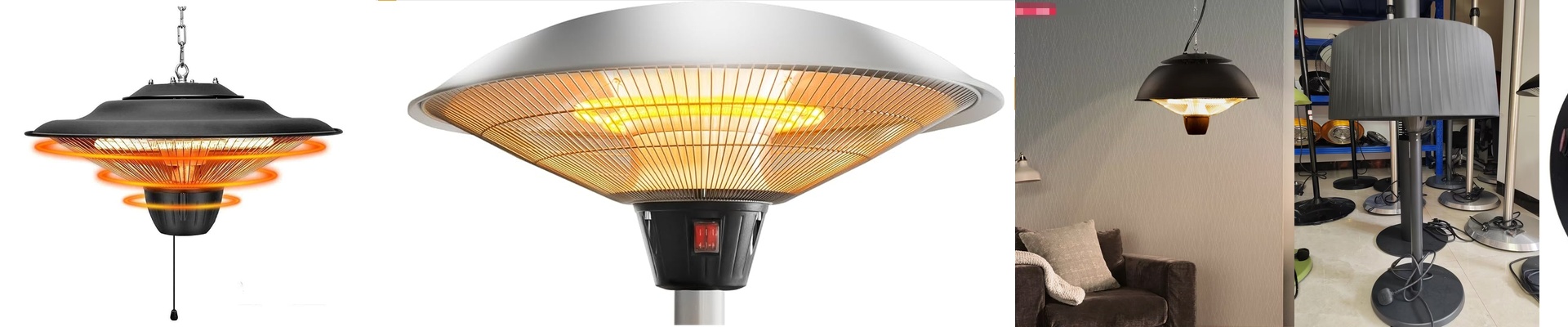
The Big Shift: Why Everyone’s Swapping Out Lamp Heaters for IR
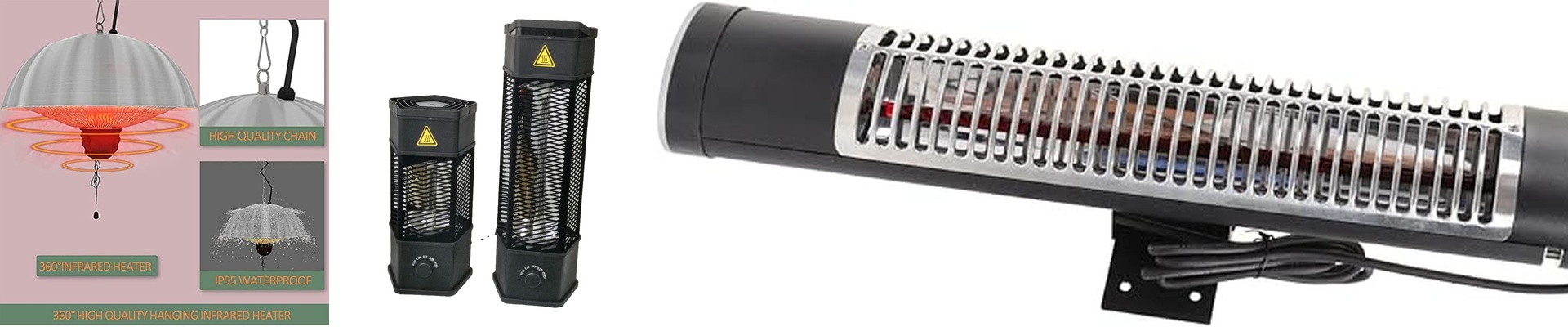
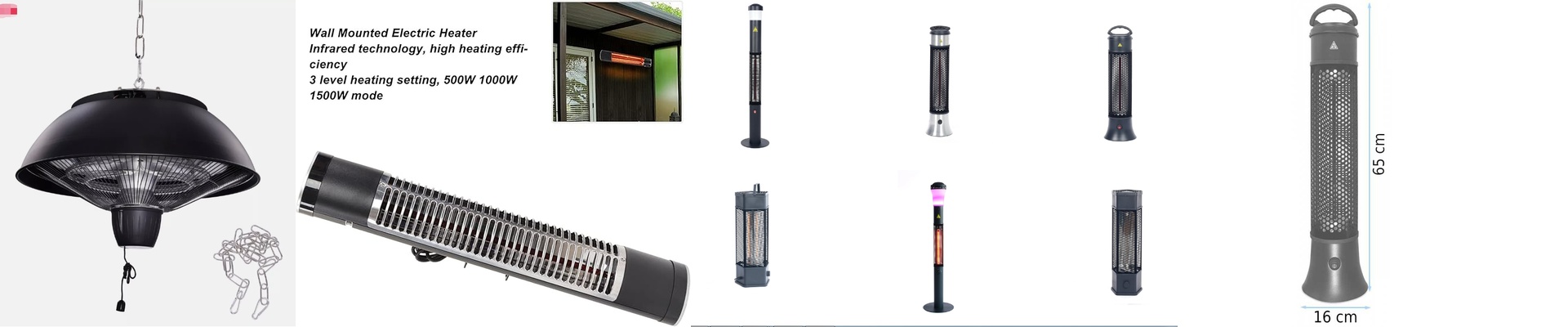
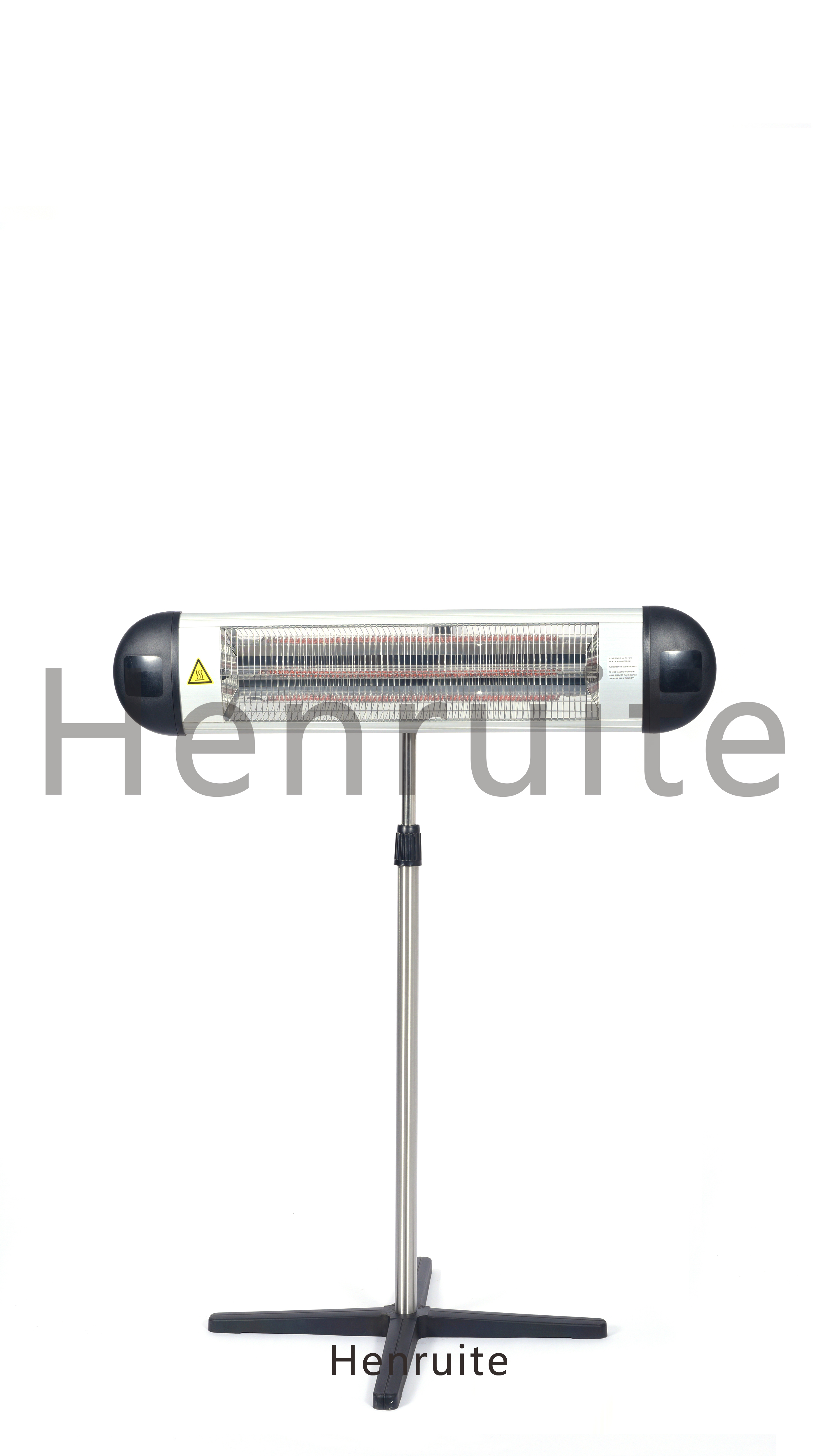
You know that old lamp-style heater in the bathroom? The one that always feels like it’s fighting the steam? It’s on its way out. These days, people are upgrading to sleek, waterproof infrared heaters. And honestly, it makes sense. The old ones just couldn’t handle the moisture, and the heat never felt even. With these new wall-mounted IR units, you get focused warmth exactly where you need it—no more waiting around, just quick, dry comfort.
The Nitty-Gritty: Power, Wiring, and Space
Here’s the good part: these heaters run on standard voltage (220–240V), so installation is straightforward. We size the wattage specifically for bathrooms—usually between 1500W and 2500W—so they heat up fast without tripping your circuit. They’re designed to mount on the wall, which saves space. You get a lot of heat packed into a small footprint. But because they run hot, you need to plan for proper clearance and airflow. Make sure the surrounding materials and wiring can handle that steady high temperature.
What’s Inside: Built to Take the Heat (and the Steam)
Inside, you’ll find quartz tubes with halogen elements. They’re built to deliver strong, steady infrared heat. The coating is fully waterproof, rated for wet environments, so it shrugs off steam and sudden temperature changes. No more worrying about hot spots burning out. And the connectors—typically R7s or Sk15 types—are rugged. They snap in securely and stay that way, even after repeated heating and cooling cycles. They’re not fragile, and they keep the connection solid, so you don’t get that annoying voltage drop that can kill your heater mid-use.
Real-World Results: Quick Heat, Clean Upgrade
If you’re remodeling a bathroom, these wall-mounted IR heaters are a clean, code-compliant upgrade. They warm you directly—your skin, the tiles, the surfaces—not the air. So you feel the heat almost instantly, and you’re not wasting energy. For anyone installing them, the payoff is reliability. They deliver steady output, hold up under constant use, and don’t corrode in the damp. Just remember: they do get hot. Choose the right spot, add proper shielding, and wire it correctly. Once that’s done, they’ll keep working, even in the steamiest, busiest bathroom.