The Headache of Fixing Splash-Proof Heaters
When most people pick out an IPX4 infrared heater, they’re thinking about one thing: the seal. They want to make sure water doesn’t hit the electronics and fry everything. That makes sense. But here’s the thing. Most engineers forget about what happens five years from now when a heating element finally gives up the ghost. With a standard sealed unit, replacing a tube is a nightmare. You have to tear down the whole housing, break that precious IP seal, and then pray to the gods of engineering that you didn’t leave a gap when you put it back together. It’s stressful, and it’s a waste of time.
A Better Way: The Modular Swap
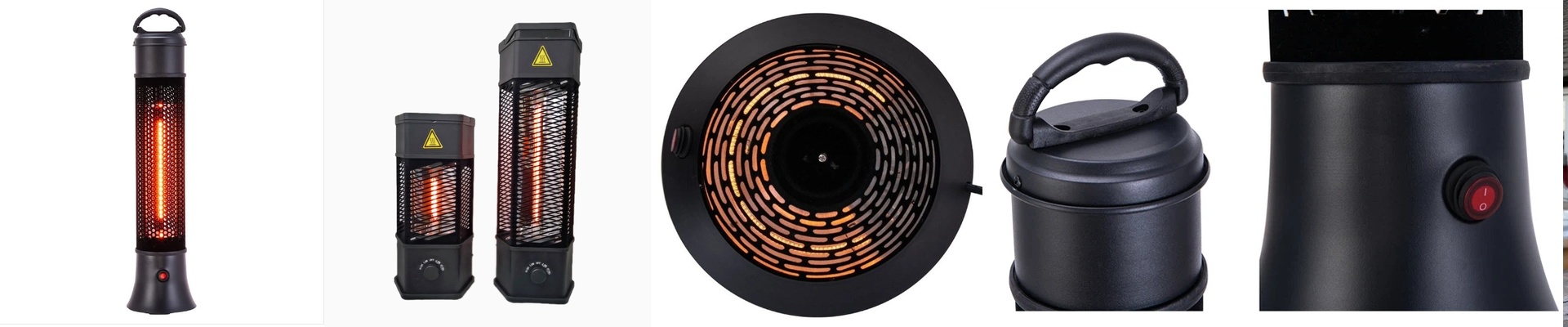
We decided to stop doing it the hard way. Instead of wiring the heater directly into the chassis, we use a plug-and-play module. Think of it like a cartridge. The heating tube lives in its own removable sleeve that just slots right into the IPX4 enclosure. No rewiring. No swearing at a manual. You just pull the module out, swap the tube, and slide it back in. You’ve just turned a four-hour teardown into a ten-minute job. It’s a relief.
The Trade-off (Because nothing is perfect)
Now, adding modules means adding more connection points. And in the world of splash-proofing, every joint is a place where water wants to get in. To keep things dry, we use compression gaskets and locking clips. They keep the seal tight without needing those messy, permanent adhesives. It’s fast, but you have to be careful. If a technician is rushing and pinches a seal during the swap, that IPX4 rating is gone. It takes a second to double-check, but it’s the difference between a working heater and a short circuit.
Saving Money on the Back End
This approach also cleans up your spare parts room. You don’t need to keep entire, bulky heater assemblies gathering dust on a shelf. You just stock the tubes and the modules. For plants that run 24/7, this is huge. You don’t need to buy expensive, full-unit backups just to avoid downtime. When something breaks, you fix that one specific part and get the line moving again. Fast.