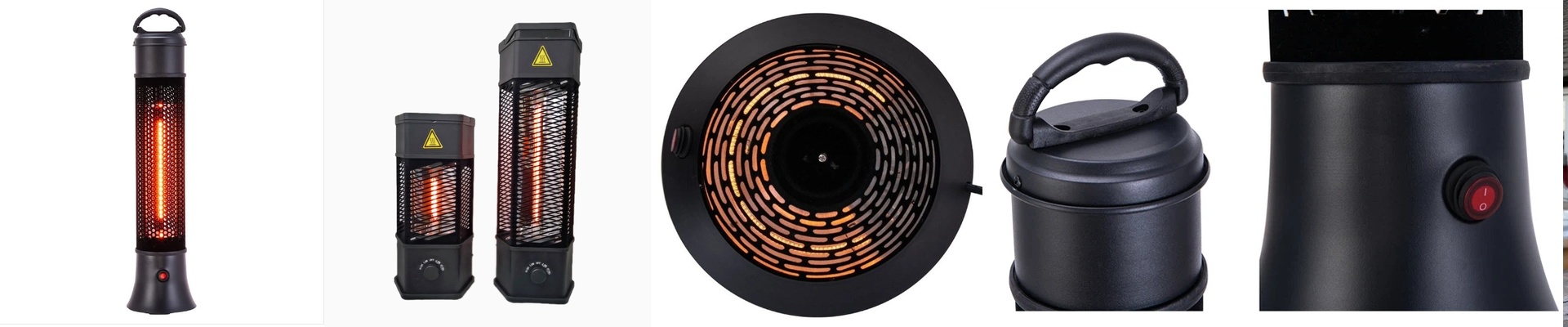


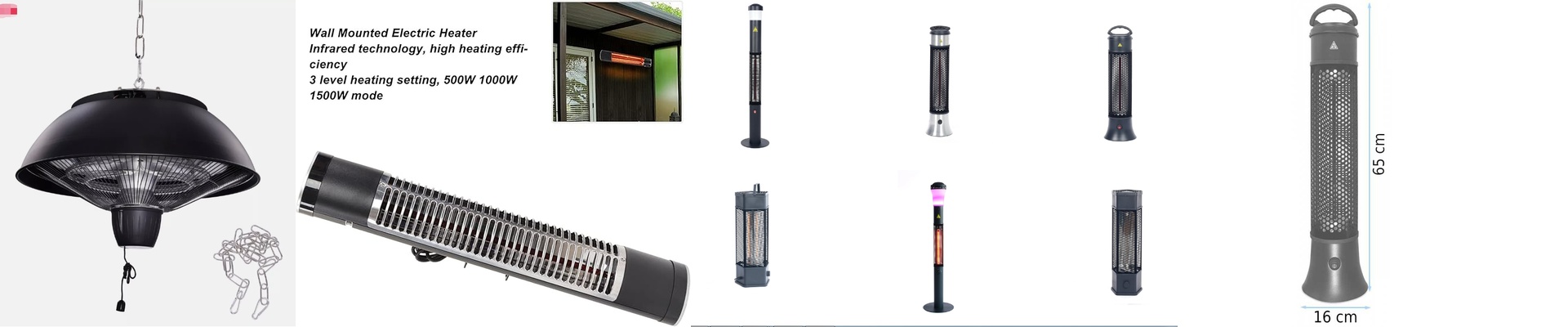
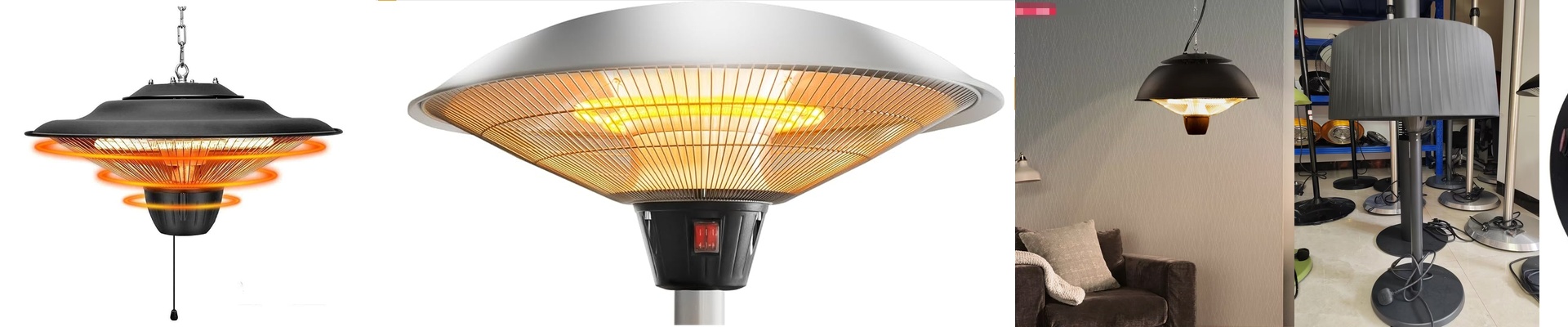

Keeping Your Bathroom Infrared Heater from Becoming a Hazard
Let’s be real: putting electrical heaters in a bathroom is a bit like playing with fire—or in this case, water. You’ve got steam, splashes, and constant humidity. Since water and electricity are a nightmare pairing, you can’t just throw any old lamp in there. If the gear isn’t built for the damp, you’re looking at short circuits or ground faults. To keep things safe, we obsess over two things: keeping the water out and making sure the electricity stays exactly where it belongs.
The Battle Against Steam
You can’t just slap a plastic cover on a heater and call it a day. Steam is sneaky. It finds the smallest gaps, crawls into the wiring, and then turns back into liquid droplets right on the terminals. That’s when things get dangerous. That’s why we use IP65-rated enclosures. In plain English? It means the unit is tight enough to keep out dust and handle direct water jets. We use heavy-duty silicone gaskets and reinforced seals at every single entry point. It’s all about creating a fortress that steam simply can’t penetrate.
Stopping the Leaks
Once the water is blocked, we still have to worry about the internals. We use ceramic insulators and heat-resistant potting compounds to stop “tracking”—which is basically electricity trying to take a shortcut across a dirty or damp surface. We also use double-insulated cabling and ground every single chassis to a dedicated earth wire. It’s a safety net. If a component fails, the breaker trips instantly. You want the power to cut out immediately rather than having the outer shell of the heater become live.
The Catch
Here is the thing: waterproofing comes with a price. A fully sealed IP65 heater is naturally bulkier than a standard patio lamp. It takes up more room. Plus, because it’s so tightly sealed, heat can get trapped inside the electronics bay. If you cram these units too tightly into a ceiling void, you’re essentially slow-cooking your own wiring. The capacitors and relays will fry way faster than they should. Give the housing some breathing room so the air can move. And for a bit of extra peace of mind? Use a GFCI on the feed line. It’s a simple addition that saves a lot of stress.