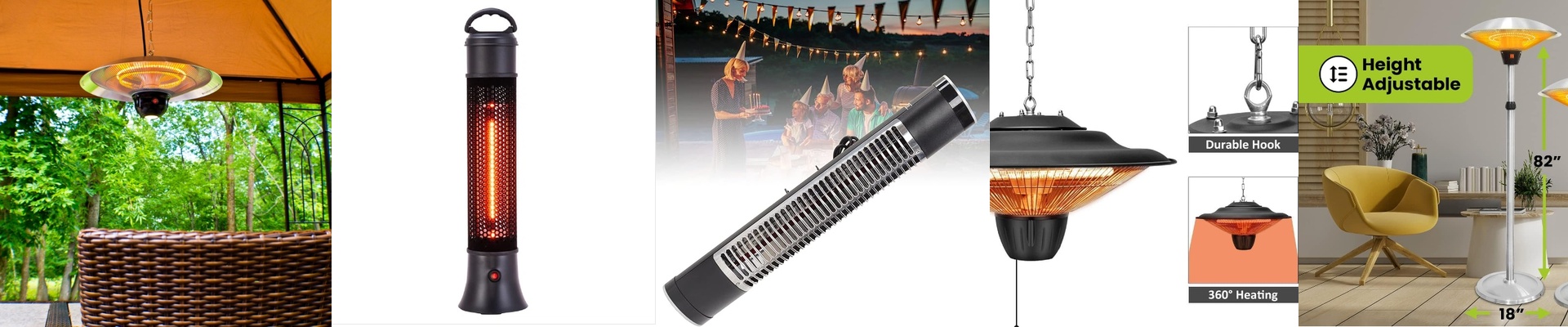

Why You Should Probably Swap Your Bathroom Heat Lamp for an IP55 Infrared Heater
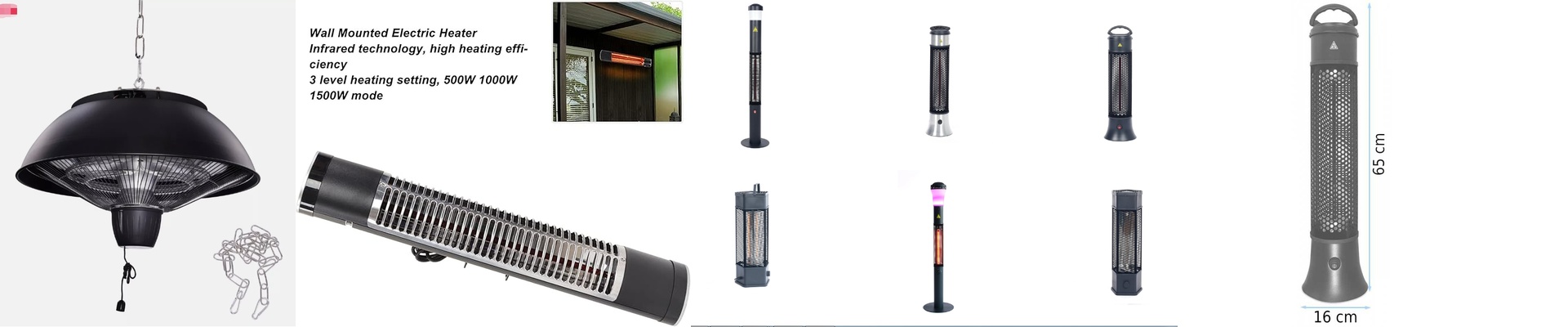
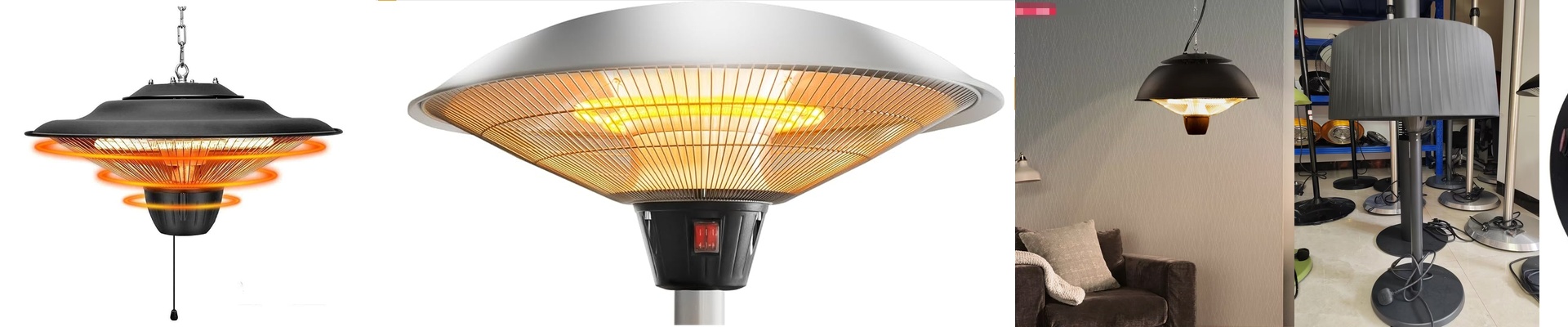
Let’s be honest: most bathroom heat lamps are a joke. You install them, they work for a while, and then—boom. Steam gets inside, the wiring shorts out, or the lens gets all cloudy and gross. It happens because they just aren’t built for a room that’s basically a sauna. That’s why more people are moving toward IP55-rated infrared heaters. They actually survive the humidity.
What’s the deal with “IP55”?
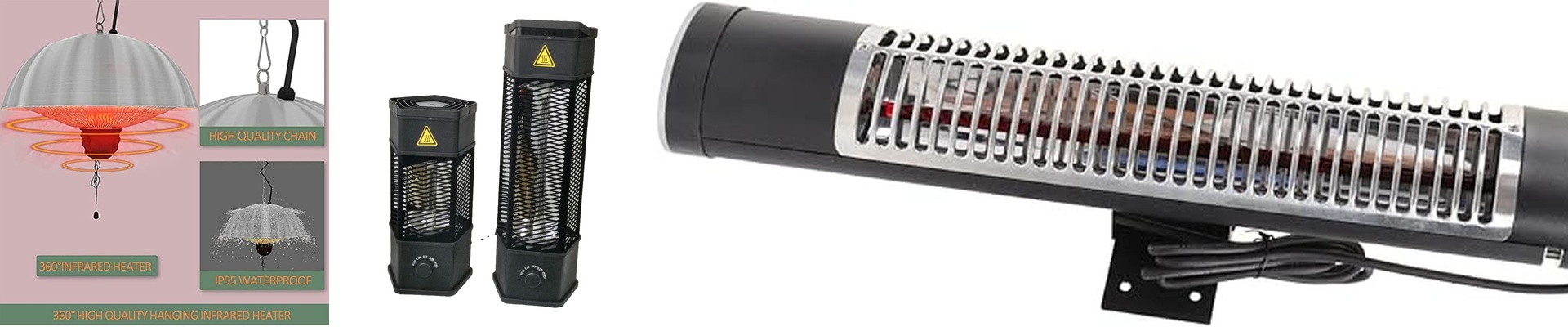
I know, it sounds like a boring serial number. But here is what it actually means for you. The first ‘5’ keeps the dust out. The second ‘5’ means the thing can handle water jets hitting it from any angle. In a bathroom, you’ve got a mix of heavy steam and the occasional accidental splash. While standard heaters just leak and rust, these units use sealed gaskets and special cable entries to keep the guts of the machine bone-dry. It keeps your wiring from corroding. Which is a fancy way of saying it won’t stop working after six months.
The magic of Infrared
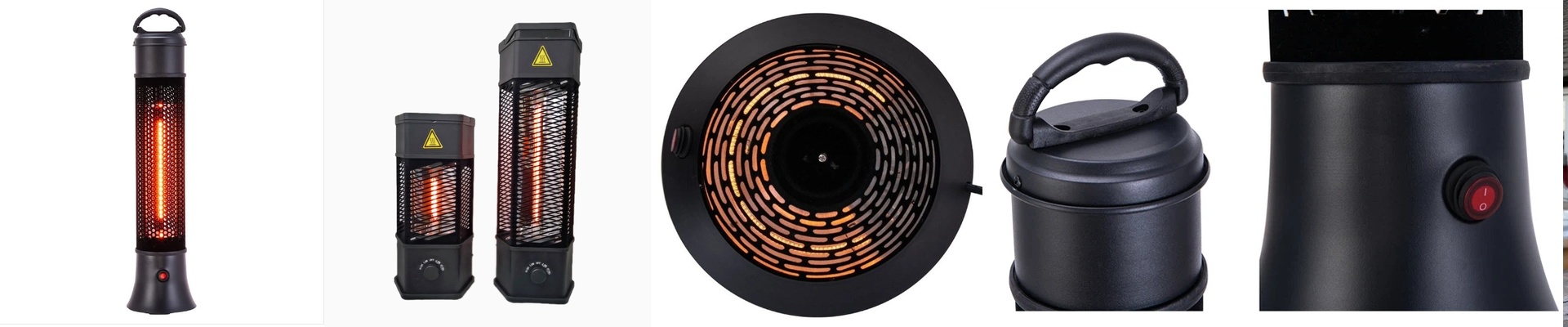
Old-school lamps try to heat the air. The problem? Air is terrible at holding onto heat. Infrared is different. It doesn’t care about the air; it goes straight for you. It’s like stepping into a beam of sunlight on a cold day. You feel it instantly. No more standing around shivering while you wait for the room to warm up. We use quartz tubes and reflectors to push that heat straight down. It’s way more efficient because you aren’t wasting energy trying to heat the ceiling.
A few things to keep in mind
Before you go buying one, there are two things you need to get right. First, the electricity. These heaters pull a lot of power to get that “instant” heat, so make sure your circuit breakers can handle the load. And please, for the love of everything, use a GFCI setup. Water and electricity are a bad mix. Second, think about where you’re mounting it. Because the IP55 housing is so tightly sealed, the unit itself can get pretty hot. If you mount this on a cheap plastic panel, it’ll warp. Just don’t do that. Stick to aluminum or masonry. Do it right, and the heater will last for years, not weeks.