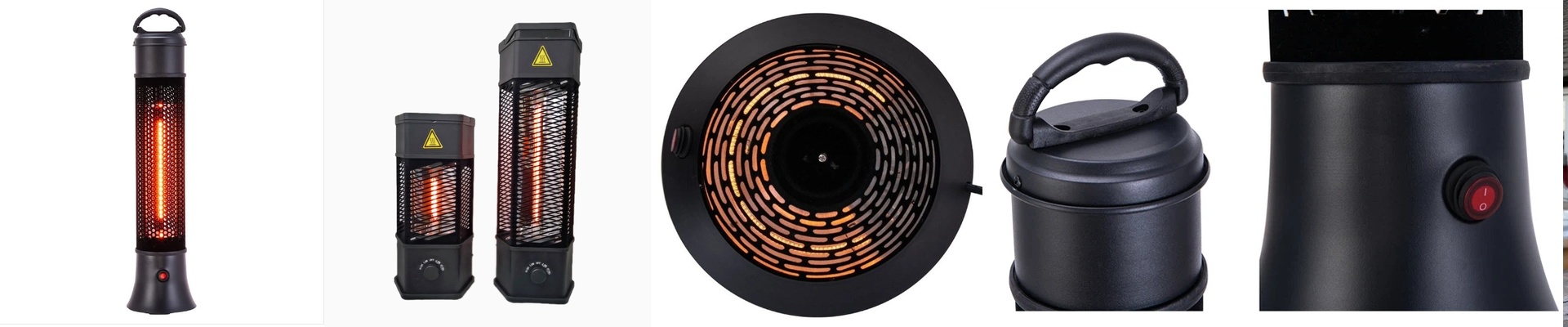
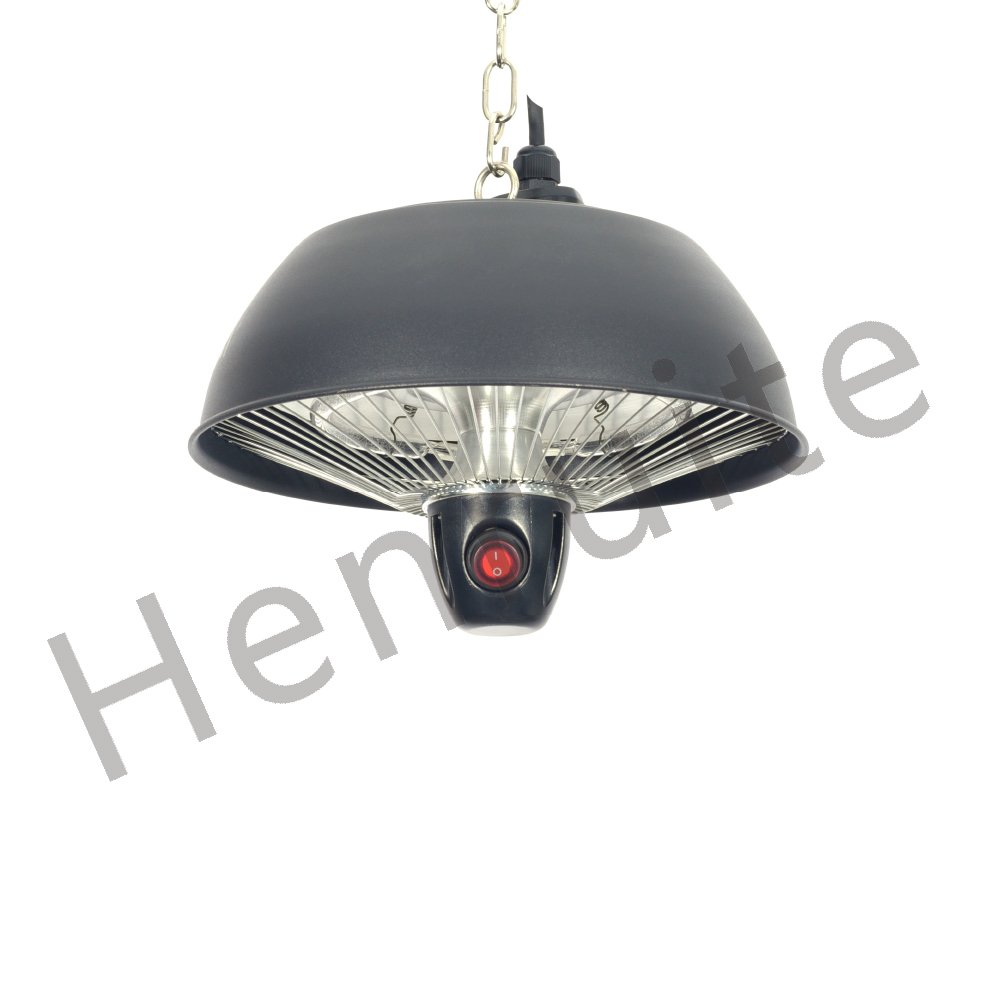
Stop Letting Moisture Kill Your Infrared Heaters
If you’ve ever used a standard infrared heater in a damp shop or a place where things tend to splash, you know the drill. They just don’t last. One day they’re working fine, and the next, they’re dead. We got tired of seeing that happen, so we built our waterproof table heaters to actually survive those environments.
Why water and heat don’t mix
Here’s the thing: water is the enemy of a heating element. Imagine a red-hot quartz tube. Now imagine a cold drop of water hitting it.**Crack.**That’s thermal shock, and it happens in a heartbeat. Even if you aren’t splashing water directly on it, just a bit of fog or mist can creep into the electrical terminals. It creates a path for the current to go where it shouldn’t, leading to short circuits or fried wiring. It’s a frustrating way to lose a piece of equipment.
How we fixed it
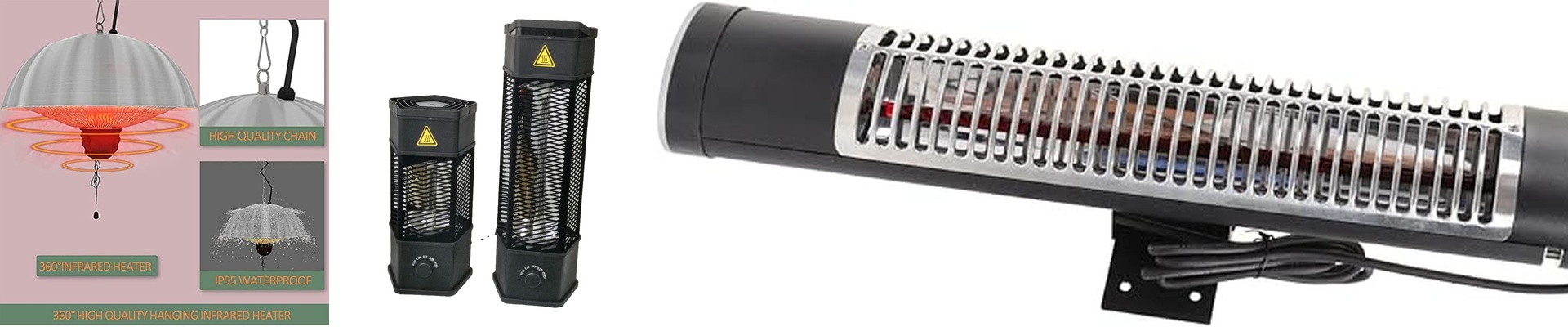
We didn’t just slap some plastic over the heater. We used sealed gaskets and hydrophobic coatings—basically, stuff that pushes water away from the guts of the machine. We also added an anti-fog layer. This stops condensation from filming over the emitter, so the heat actually hits your target instead of scattering everywhere. And the connections? We reinforced the seals there, too. It stops moisture from seeping into the circuitry and prevents that nasty corrosion that usually eats through connectors in humid shops. It just stays clean.
The real-world trade-offs
The big win here is that you aren’t spending your weekend swapping out dead lamps. The units just keep running. But I want to be honest about the trade-off. Because we’ve added protective layers and a waterproof housing, the heat doesn’t hit quite as instantly as it would on a totally open-air heater. It’s a small difference, but you’ll notice it. You might need to tweak your timers or thermostats a bit to get the temperature exactly where you want it. One last tip: make sure you wire this into a properly grounded circuit. And if you’re using these in a heavy-washdown area, double-check that your power supply is rated for the same IP level. There’s no point in having a waterproof heater if the plug in the wall is the weak link in the chain.