Getting the Heat Right in Your Bathroom
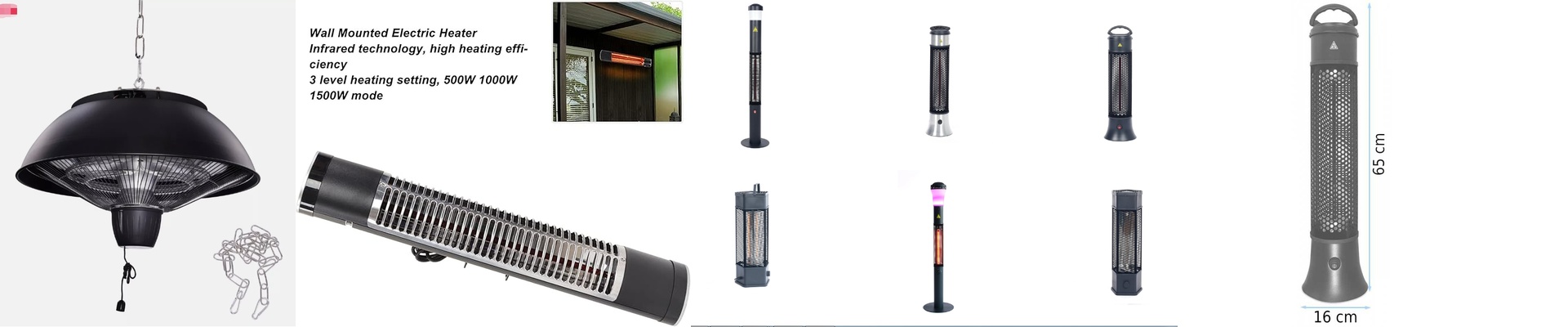
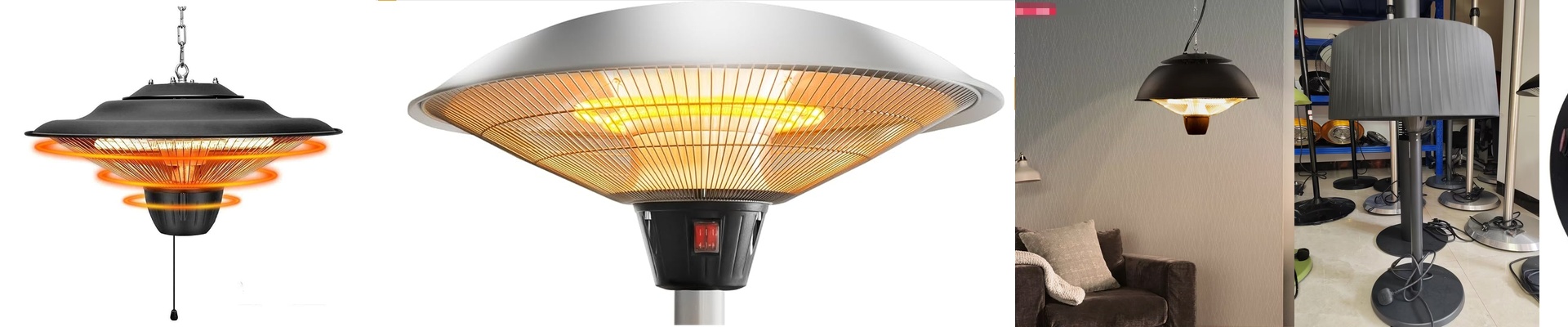
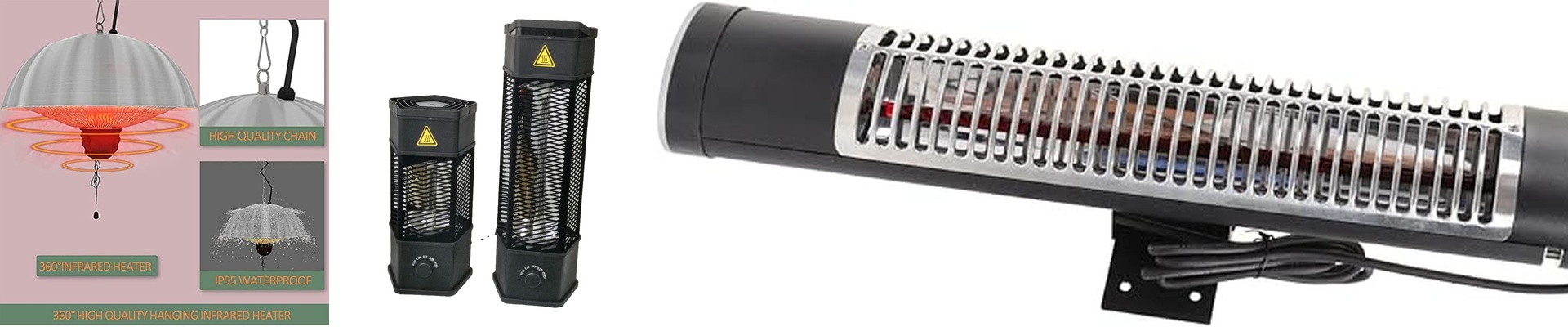
There’s nothing worse than stepping out of a hot shower into a freezing bathroom. But if you pick the wrong heater, you’re either left shivering in “cold spots” or you’re basically paying to heat the entire neighborhood. We use shortwave infrared lamps because they don’t waste time trying to warm up the air. They heat you directly. It’s instant. You flip the switch, and you feel it immediately.
How much power do you actually need?
It really comes down to the size of your room. If you’ve got a tiny powder room (under 3m²), a single 250W to 400W lamp is usually plenty. But for those big master baths—the ones between 6m² and 10m²—you’re going to want a few lamps working together. We usually suggest aiming for a total of 800W to 1200W to keep things cozy. Here’s the thing: don’t just go for the biggest number you see. If you overdo it, you risk stressing out your wiring or creating a “heat pocket” that feels like standing too close to a campfire. On the flip side, if the wattage is too low, the lamp has to work overtime, which kills the filament a lot faster.
The nitty-gritty stuff
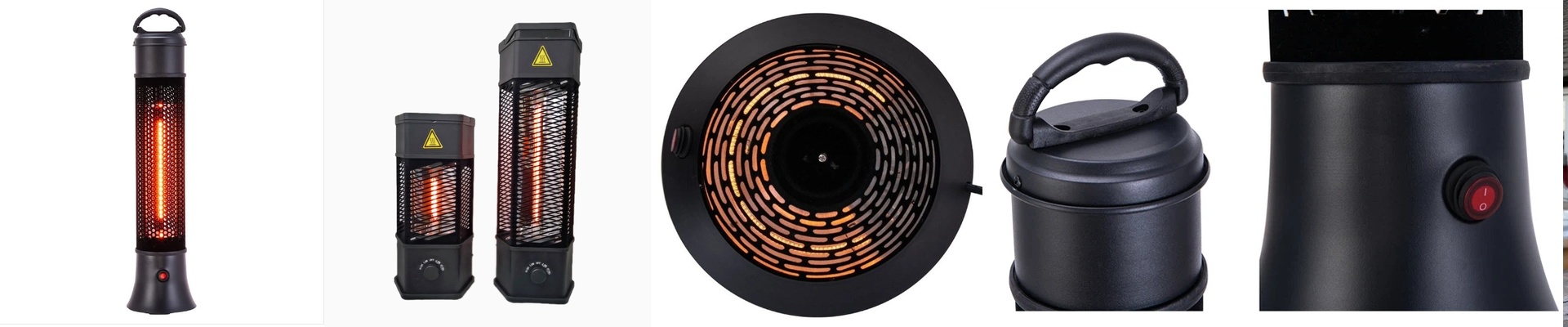
Most of our units use quartz glass tubes filled with halogen gas. It sounds technical, but it basically just means we can crank up the heat without the glass melting. We also use R7s connectors. Why? Because bulbs eventually pop, and we want you to be able to just drop in a new one without calling an electrician. Just keep in mind that higher wattage means more concentrated heat. That puts a lot of stress on the fixture. That’s why we use polished aluminum or gold-coated reflectors. They bounce the heat down toward the floor where it belongs, instead of letting the fixture itself warp from the heat.
Saving a bit on the power bill
You don’t have to blast the heat everywhere to stay warm. Try a zoned approach instead. Put a low-wattage lamp over the vanity and a stronger one right over the shower area. That way, the heat hits you exactly where you’re most exposed. It’s a simple tweak, but it means the heaters run for less time and your electric bill stays manageable.