Introduction
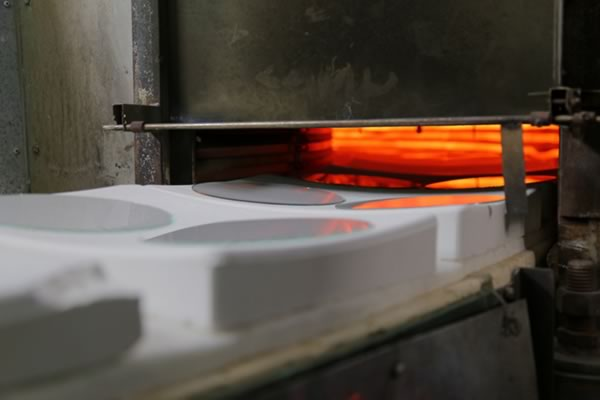
When you’re annealing lab-grade glass, you’re not just throwing heat at it. You’re trying to gently coax out all the internal stress. That’s why we built this system around a rapid-response infrared emitter—it was designed from the ground up for one thing: precision. The heart of it all is an infrared element that holds the temperature within a hair of 0.1°C. That kind of control is what keeps your sensitive glassware from cracking under the pressure.
Getting to the Heart of It: Why 0.1°C Matters
Glass is dramatic. It transitions sharply, and a tiny temperature swing can leave a permanent map of stress inside. Our infrared element does more than just preheat fast. Its real superpower is stability. That 0.1°C control tolerance lets you follow your annealing curve perfectly, without overshooting or undershooting that critical point. It’s not about raw speed. It’s about giving you repeatable, predictable thermal behavior. In practice, that means every single batch comes out the same. No more guesswork. No more wasted parts.
The Build: What Makes This Element So Tough
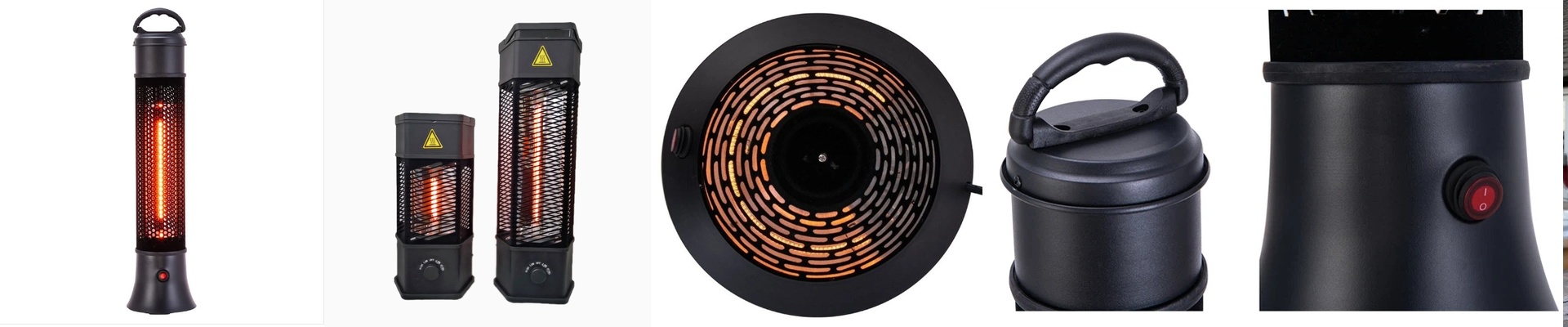
We built the element on a quartz body and gave it a special coating to focus the infrared energy right where it needs to go. The result? High heat density, but without those dangerous hot spots. The emitter’s shape is matched to the glass profile, so you get even coverage across the entire surface. And it’s built to take a beating. The mounting interface lets you swap it out quickly, but it stays rock-solid aligned. This thing is a workhorse, designed to keep its cool through thousands of cycles on the bench.
The Payoff: Keeping Your Glass From Cracking
Stress fractures in glass happen when things cool unevenly, or when the glass gets hit with thermal shock. Our system tackles that head-on. The high-precision element preheats the glass quickly and evenly, so the whole piece is ready before the annealing soak even begins. The result? Predictable, repeatable results every single time. But here’s the reality check: that kind of power generates a lot of heat. You need a cooling setup that’s up to the task to keep everything—and everyone—safe. In a lab, that just means planning ahead for proper heat dissipation. We built this to be a drop-in solution for engineers who want to control the physics of annealing, not just heat up glass. It’s about giving you the reins.
The Trade-Off: Handling the Heat
Let’s be honest. Running a high-power infrared element while holding that 0.1°C stability puts a serious load on the system around it. You’ve got to plan for the ambient heat buildup. Design your enclosure and cooling with that in mind. That’s the price you pay for this level of precision.
What This Means for You, in the Lab
Imagine being able to anneal complex glassware with real confidence. You know the temperature is exactly where it needs to be, no exceptions. No more holding your breath, hoping the next part won’t crack from thermal shock. Just steady, controlled, repeatable results. That’s the peace of mind this brings to the bench.