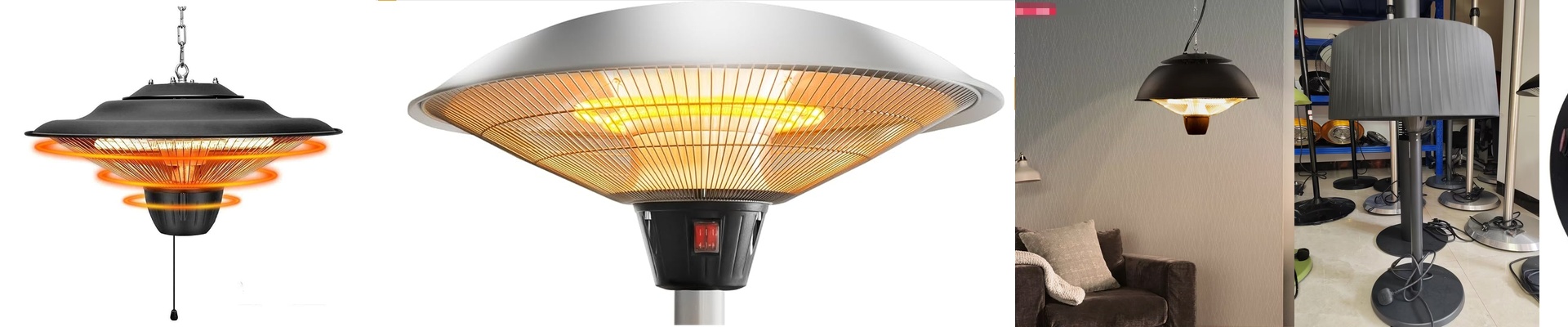
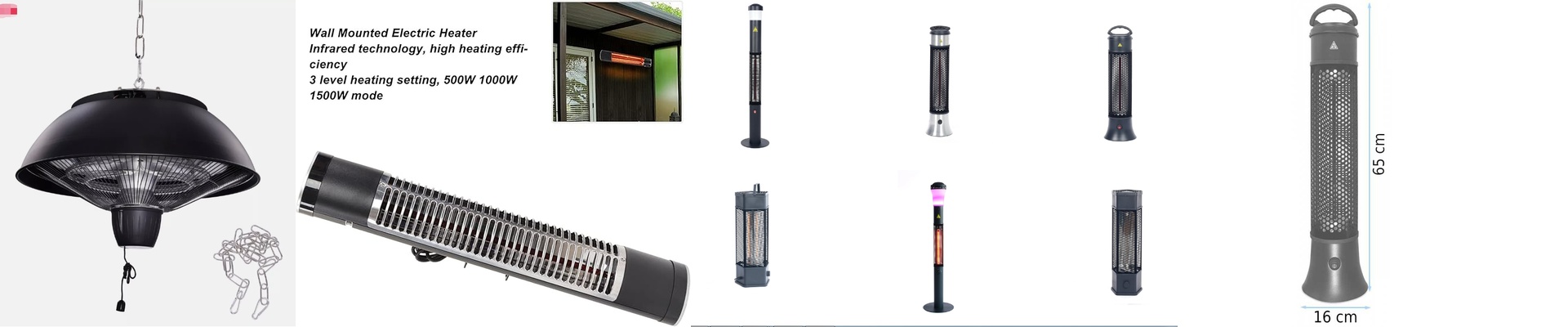
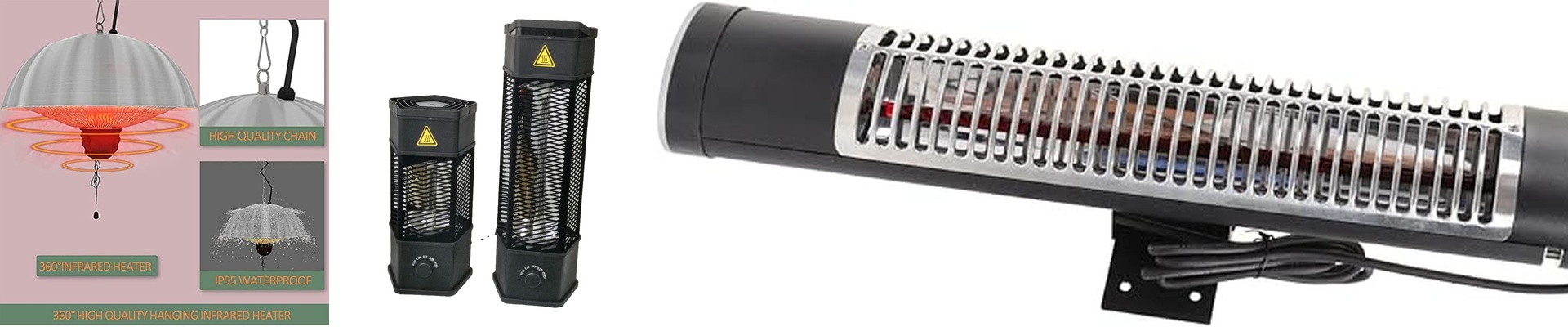
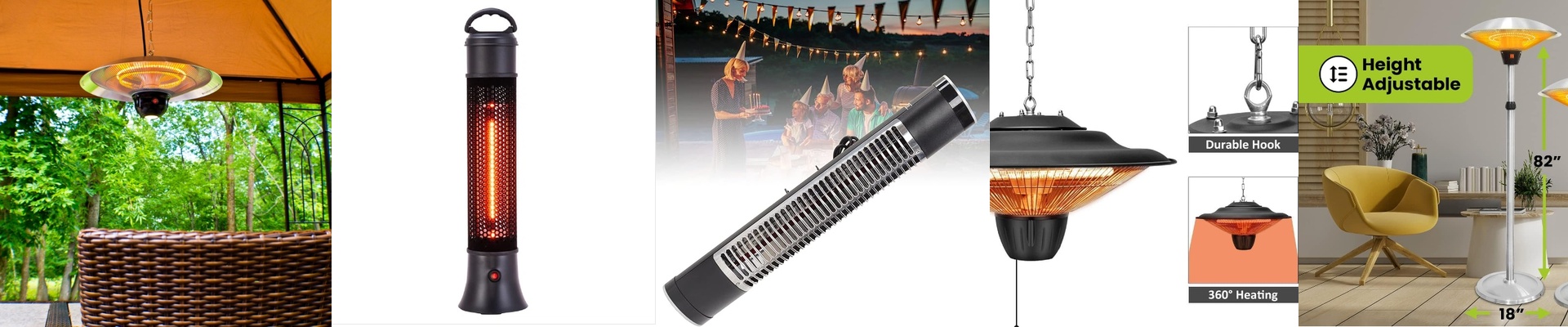
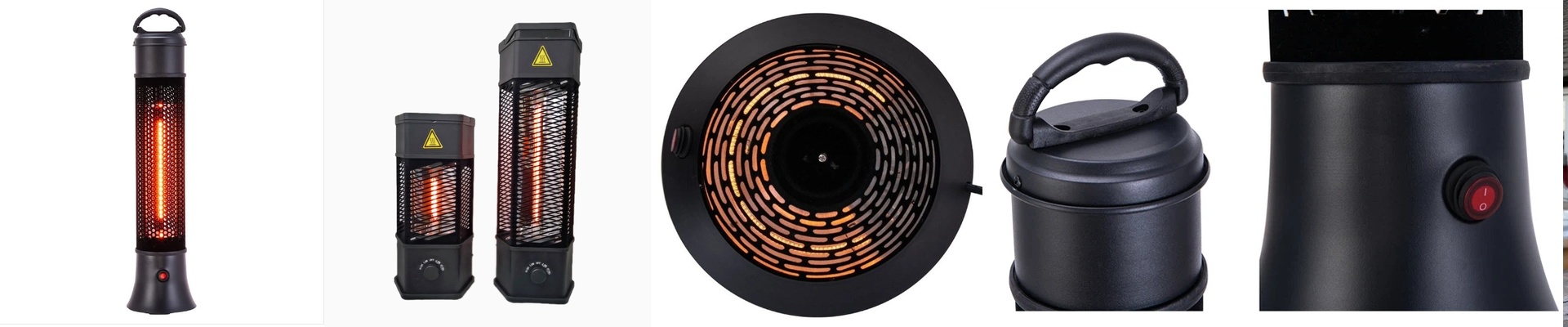

Glass-heavy attic sunrooms are great—until the first cold snap. Heat rises, bleeds out through the glazing, and comfort disappears fast. Convection heaters just chase air that won’t stay put, wasting energy and leaving cold pockets where you’re sitting. What you really want is warmth that lands where you do.
What matters, technically
A carbon crystal heater is an infrared electric heater, built around a high-purity carbon element. It delivers radiant heat that travels straight to people, furniture, and floors, instead of wasting time heating the air first. The payoff is more even comfort and fewer temperature swings.
We pair the element with a tight reflector system, so usable heat goes where you need it and less is lost. The response is immediate, and the surface runs cooler than halogen heaters—something that matters in a tight, furnished room.
Why it works in an attic sunroom
Glass is the problem. Infrared warmth skips the air gap and warms solid surfaces, so you feel cozy even when the air is cooler. Because the heater warms objects, it helps offset that sense of heat loss through the glass, so the room feels more stable.
You get comfort quickly, without noisy fans, and the space stays open and inviting. The focused pattern lets you aim the warmth right where you sit, instead of trying to heat the whole volume.
Things to get right
Run a dedicated circuit and use a thermostat matched to the heater’s load. Clearances matter—keep the unit clear of curtains and furniture, and mount it so the beam spreads safely across the room.
For best results, pair the heater with blinds or shades to cut nighttime heat loss. In humid conditions, pick a model rated for damp locations.
This is direct radiant heat—people and surfaces warm first. If you prefer the feel of warm air, a small convection heater can round things out.