

The Struggle with Long Glass Tunnel Kilns (and How We Fix It)
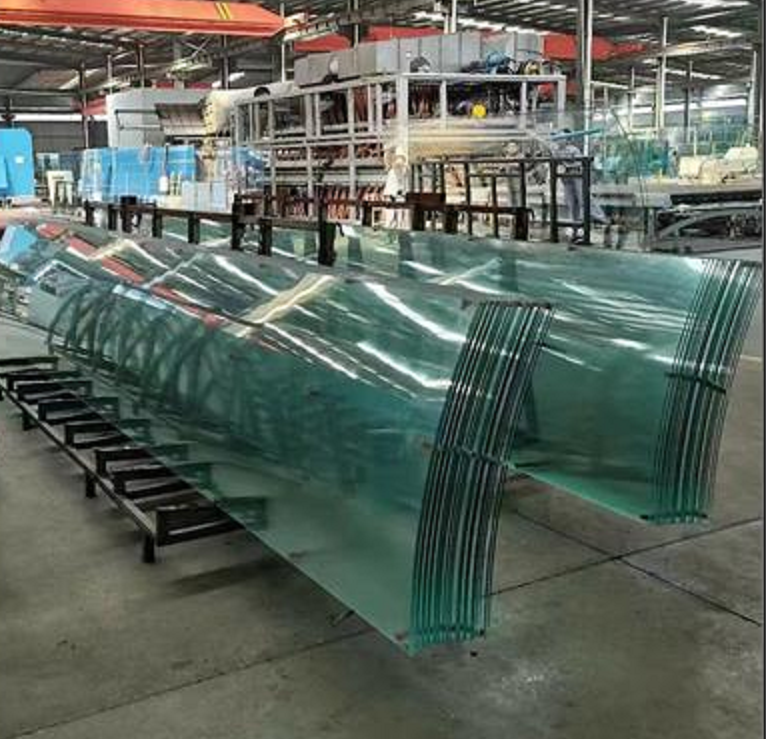
If you’ve ever run a long glass tunnel kiln, you know the headache of the “cold spot.” Most standard infrared lamps stop at 1.5 or 2 meters. That sounds like a lot, but when you’re lining them up, those tiny gaps between the lamps are killers. You get these little dips in temperature that lead to uneven tempering or, even worse, stress fractures in the glass. It’s frustrating. That’s why we started building custom heating units that go well beyond the 2-meter mark. We basically get rid of the gaps. The tricky part about going long You can’t just stretch a quartz tube and call it a day. If you do, you hit a wall called voltage drop. Here’s the thing: if the resistance is too high over that distance, the middle of the lamp stays cool while the ends get screaming hot. To stop that from happening, we get surgical with the tungsten filament diameter and the coil pitch. We tweak them until the heat is dead-even from end to end. Just a heads-up on the power side: these long units pull a lot of current. You’ll want to double-check your electrical panels. There’s nothing worse than a line shutting down because a breaker tripped. Building it to last We use high-purity quartz because it can handle the shock of rapid heating and cooling without cracking. In a tunnel kiln, we set these up end-to-end. It creates a solid wall of heat. But because these tubes are so long, they can be fragile. We use reinforced end-caps to keep the quartz from snapping under its own weight. One pro tip: get your mounting brackets perfectly straight. If a 2-meter tube sags even a few millimeters, you create a hotspot. That’s a fast track to a burnt-out filament. The honest trade-off Look, the “heat curtain” you get from these long lamps is amazing. Your glass comes out consistent, and the quality jumps. But there is a catch: replacing them is a pain. Swapping out a tiny 500mm tube is easy. Pulling a massive 2.5-meter component out of a running line? That’s a chore. It’s cumbersome and takes time. My advice? Keep two spares right there on the shop floor. When one finally goes, you can swap it and get back to work without losing your whole afternoon.